Last Updated on February 19, 2026 by Shubam

Table of Contents
Most websites fail at link building because they chase the wrong signals.
They buy links from sites with inflated DA scores, publish guest posts no one reads, and wonder why rankings never move. On paper, the backlink profile looks strong. In reality, those links send zero traffic and zero trust.
Google does not reward link volume. It rewards real endorsements from websites people actually read, trust, and cite.
That is why one editorial link from a respected publication can outperform dozens of links from forgotten blogs and directories.
This guide breaks down how authority backlinks actually work in 2026. You will learn how to spot links that pass real ranking value, avoid DA traps that waste budgets, and use proven methods to earn editorial links without buying them.
If you want backlinks that influence rankings, traffic, and long term credibility, this is where to start.
👉🏻 What you’ll learn in this guide
- How to identify real authority backlinks vs fake high-DA sites
- 6 proven strategies to build editorial links without buying them
- The 4-factor checklist to evaluate any link prospect in 60 seconds
- Time and effort required for each link building tactic
- Common mistakes that waste your budget and how to avoid them
If you see these patterns, you’re likely getting penalized even if you didn’t build those links yourself.
Introduction to Backlinks
Backlinks are essential to search engine optimization (SEO), acting as digital endorsements that signal trust and authority to search engines. When a reputable site links to your website, it effectively vouches for your content’s quality and relevance.
High authority backlinks from sites with strong domain authority are valuable, as they can improve your search engine rankings and attract organic traffic to your site.
Not all backlinks are created equal. Quality backlinks from sites with high domain authority carry much more weight than links from low-quality or unrelated sources.
Search engines like Google treat these high authority links as a key ranking factor, helping determine which sites appear at the top of search results.
By focusing on acquiring backlinks from reputable sites, you improve your site’s authority and attract more organic visitors, while establishing your brand as a trusted resource in your industry.
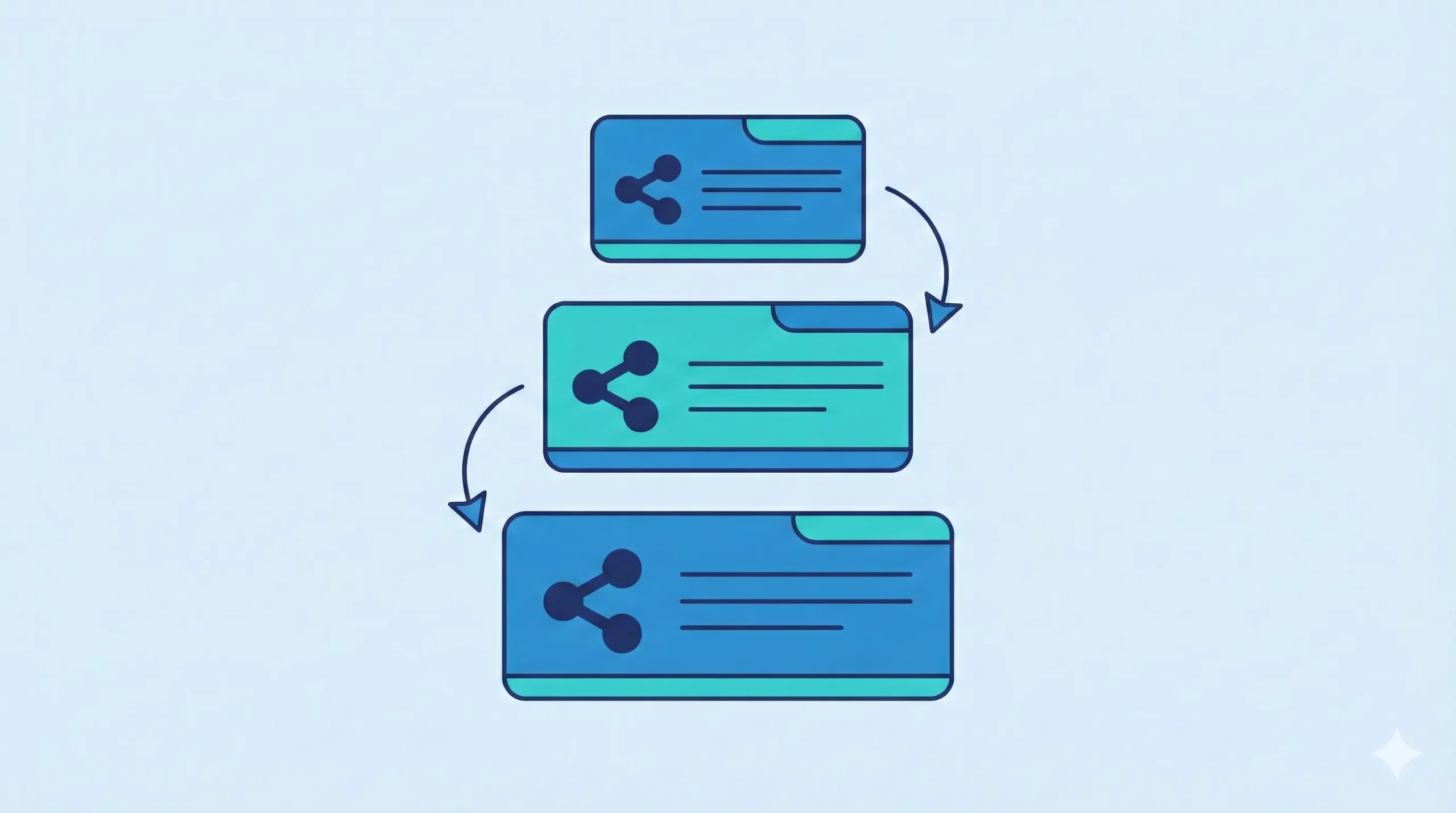
How Tiered Link Building Works?
What Are Authority Backlinks?
Authority backlinks are links from websites that Google already trusts.
Consider The New York Times, Mayo Clinic, or other industry leaders in your field. These links carry more weight because they come from sites with genuine readers, fact-checkers, and editorial teams, not spammy blog networks.
However, genuine authority is not defined by high DA or DR scores alone. It depends on factors such as site age, organic traffic, and the quality of inbound links.
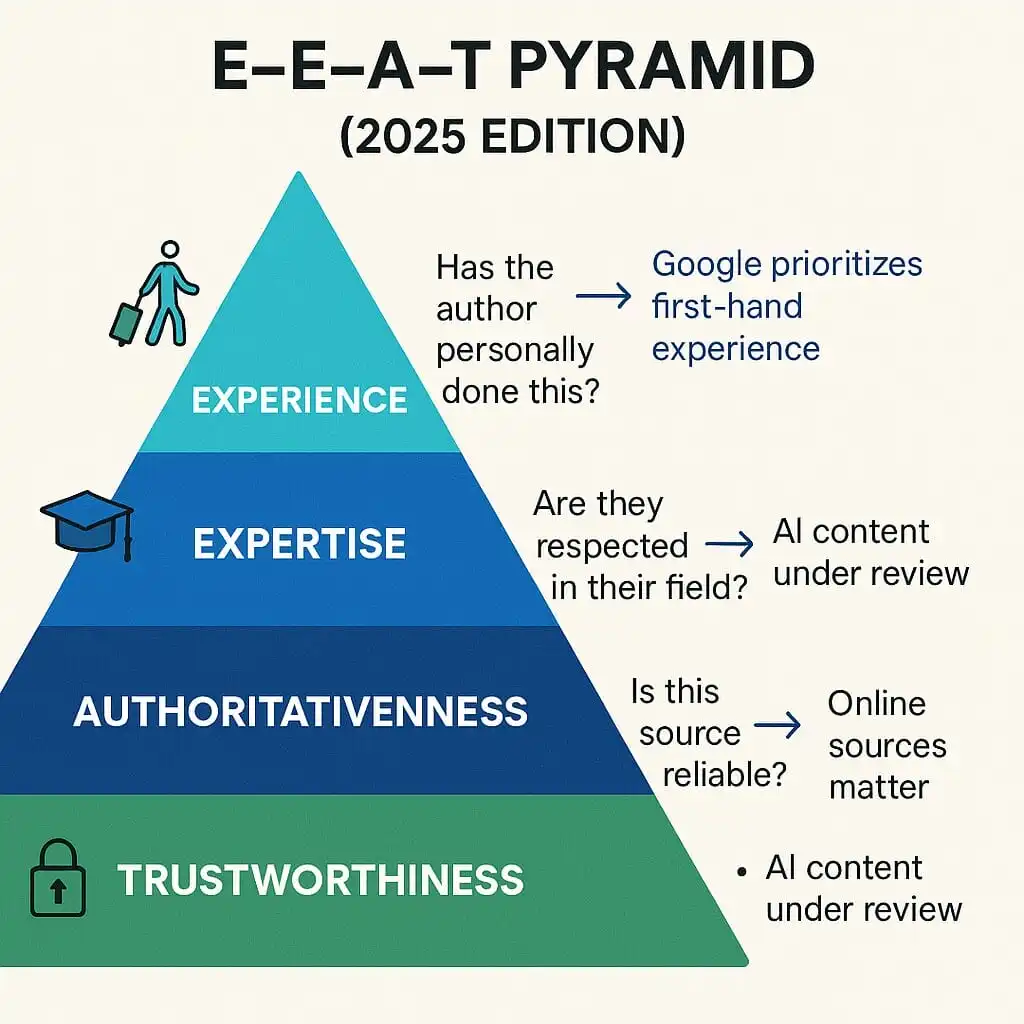
Google’s E-E-A-T guidelines (Experience, Expertise, Authoritativeness, Trustworthiness) reward links from genuinely trusted sources. Google punishes sites that build links only to manipulate rankings. A single link from Forbes carries more weight than dozens of directory submissions.
What Makes an Backlink High Authority?
- Comes from a site with consistent organic traffic (typically 1,000+ monthly visitors)
- Published by sites with editorial standards and named authors
- Appears in main article content, not footer or sidebar
- Links from pages topically relevant to your niche
- Earns genuine engagement (shares, comments, time on page)
If you see these patterns, you’re likely getting penalized even if you didn’t build those links yourself.
Here’s where authority backlinks typically come from:
- 📰 Editorial publications – News sites, industry magazines, and established blogs
- 🎓 Research institutions – Universities, think tanks, and organizations that publish studies
- 🏆 Industry leaders – Companies and experts recognized as top voices in specific fields
High authority backlinks typically come from established websites that have been around for a long time and have a significant volume of quality links pointing to them.
Real Authority Backlink Examples
✅ Good authority backlink:
TechCrunch publishes an article about AI tools and links to your comparison guide in the second paragraph. As a prominent website and respected site with strong domain authority, TechCrunch provides a backlink that is especially valuable. The article gets 15,000 monthly visitors and you’re mentioned alongside established brands.
❌ Fake authority backlink:
A DA 65 “tech blog” publishes your guest post with a link in your author bio. The site gets 200 monthly visitors, has no social following, and runs ads for sketchy products.
The difference: Real traffic, real readers, editorial context. High authority backlinks from respected sites and prominent websites improve your site’s credibility, helping to position you as a leader in your field.
Which backlink is most powerful?
Editorial links from high-traffic sites in your niche are the most powerful. They combine authority, relevance, and placement within real content (not in footers or sidebars).
Google treats these as genuine recommendations, not SEO tricks. Seek links from pages that receive steady organic traffic and cover topics closely related to yours.
Relevance matters: a relevant backlink from a site in your niche is more valuable for ranking well in search results than a high-authority link from an unrelated site. A strong link profile makes your site more resilient to algorithm shifts and helps it rank higher.
Start Here: Your First 3 Authority Backlinks
If you’ve never built a backlink before, start with these three tactics in order:
Week 1: Reclaim unlinked mentions (Easiest win)
Search for sites already talking about your brand. They know you exist, so converting mentions to links takes one email. Expected time: 2-3 hours total for 1-3 links.
Week 2: Guest posting (Medium difficulty)
Find 5-10 sites in your niche with “Write for us” pages. Pitch one solid topic per site. Expected time: 4-6 hours per accepted post.
Week 3: Broken link building (Highest ROI)
Use Ahrefs to find 10 broken pages in your niche with 20+ referring domains. Pitch your content as a replacement. Expected time: 3-4 hours total.
Skip HARO and PR until you’ve built 10+ links. Those tactics require consistent effort and work better once you have social proof.
6 Proven Strategies to Build Authority Backlinks
1. Guest Posting on Relevant Sites
Guest posting is one of the most effective ways to build high-authority backlinks. Guest posting gets you backlinks from blogs your audience already reads. You write useful articles for niche sites and include a natural link back to your page. Focus on topics like “Top 5 Tools For…” or “Alternatives to [Big Brand]” where your product fits naturally.
Use specialized link building software like Ahrefs Content Explorer or SEMrush to find sites that rank for your target keywords, then check if they get real traffic before pitching. Many sites accept guest posts but don’t advertise it. Look for “Write for us” pages or reach out directly.
Common mistakes to avoid:
- Pitching generic topics that 50 other people already suggested this month
- Writing obvious sales pitches instead of genuinely helpful content
- Targeting high-DA sites with zero organic traffic
- Using the same pitch template for every site without personalization
- Confusing PR outreach with guest posting, unlike guest posts, PR outreach backlinks are more narrative-driven and often come from media mentions rather than traditional guest posting.
💡 How to pitch effectively
Reference a specific article they published, explain how your pitch fills a content gap, and include a writing sample from a credible site. Keep it under 100 words and make the benefit to their readers obvious.
2. Broken Link Building
Broken link building works because you’re solving problems, not asking for favors. Find broken links on authority sites in your industry, then offer your content as a replacement. This strategy not only helps webmasters fix outdated resources but also allows you to develop a solid backlink profile by replacing lost or outdated links with your own high-quality content.
Use Ahrefs Site Explorer to identify competitor pages with 404 errors that still have inbound links. Filter for pages with “404 not found” status and high referring domains. Contact the sites linking to those dead pages and suggest your content as an updated alternative.
Common mistakes to avoid:
- Pitching content that doesn’t actually match what the broken page covered
- Reaching out to sites that haven’t updated content in 2+ years (dead sites won’t respond)
- Sending mass emails to 100+ sites at once (low response, high spam risk)
- Forgetting to mention WHERE you found the broken link on their site
💡 How to reach out
Point out the broken link, mention the exact page where you found it, and suggest your content as a potential replacement. Add “no pressure if it’s not a fit” to show you’re genuinely trying to help, not just begging for links.
3. HARO and Journalist Outreach
HARO (Help a Reporter Out) connects you with journalists who need expert quotes. Reporters post questions, you reply with brief answers, and when they use your quote you often earn a link from news outlets or industry publications.
HARO can help you earn authority backlinks from high-authority publications like Business Insider, which significantly boost your site’s authority. Other platforms like Featured.com and Help a B2B Writer work the same way. You need to respond quickly (within hours, not days).
Set up email alerts so you see requests as soon as they arrive. Keep answers short, credible, and jargon-free. This strategy requires consistent participation but delivers high-authority editorial links that most competitors can’t get.
Common mistakes to avoid:
- Responding 12+ hours after the query goes out (reporters move fast)
- Writing long, academic answers instead of punchy, quotable soundbites
- Pitching yourself instead of directly answering the journalist’s question
- Ignoring queries outside your exact niche (adjacent topics still build authority)
💡 How to respond effectively
Lead with your most valuable insight in the first sentence. Include your credentials in one line. Keep the total response under 150 words. Make it easy to quote by writing in complete, standalone sentences.
4. Digital PR and Media Mentions
Digital PR earns links by pitching newsworthy stories to media outlets. PR outreach is a key part of digital PR, helping you secure digital PR links from high authority sites. These digital PR links are obtained from trustworthy, high-authority sites, which significantly enhance your website’s credibility and SEO.
Share original data, unique insights, or expert commentary on industry trends. PR backlinks come with context around your brand, which helps search engines and AI platforms recognize your expertise. Target both major outlets and niche publications covering your vertical.
📢 Create press releases for product launches, publish original research, or offer expert takes on breaking news in your industry. The best PR links come from stories journalists actually want to cover.
Common mistakes to avoid:
- Pitching boring “me too” stories with no unique angle or data
- Targeting only massive outlets like Forbes (niche publications convert better)
- Sending press releases with zero newsworthiness or timely hook
- Failing to build relationships with journalists before asking for coverage
💡 How to pitch PR stories
Lead with the most surprising data point or controversial insight. Explain why their specific audience cares. Offer exclusive access or early data. Keep the pitch to 3-4 sentences max and include one compelling visual if possible.
5. Create Link-Worthy Assets
Build content that earns passive mentions: original research, industry surveys, free tools, templates, or calculators. To attract authority backlinks, it’s essential to create content that is both high quality and in-depth, as these linkable assets naturally draw backlinks from other sites.
A well-crafted blog post can serve as a permanent, standalone linkable asset that enhances your brand visibility and provides authoritative context for both users and search engines.
These citation magnets get referenced in blog posts, videos, and AI summaries without you asking for links. Tools and data sets consistently earn more backlinks than standard blog posts. Publish these on standalone URLs so people can link directly to them.
Make sure your data is accurate and your tools actually solve problems. Promote your asset through outreach, social media, and communities where your target audience hangs out.
Common mistakes to avoid:
- Building half-baked tools that don’t actually work or provide value
- Creating “research” based on tiny sample sizes or biased surveys
- Publishing assets without any promotion strategy (organic discovery takes months)
- Burying your best assets deep in blog posts instead of standalone pages
💡 How to promote link-worthy assets
Email 20-30 sites that recently covered similar topics and show them your data. Share in relevant Reddit, LinkedIn, or Slack communities. Update the asset quarterly so it stays fresh and keeps earning new links over time.
6. Reclaim Unlinked Brand Mentions
Find sites that already mention your brand without linking. Use search operators like this:
intext:”YourBrand” -yourdomain.com -twitter.com -facebook.com
Or use tools like SEMrush Brand Monitoring to automate discovery. Reach out and ask them to add a link, or suggest context improvements that better position your brand. These are often the easiest links to get because the site already knows who you are.
While reclaiming unlinked brand mentions is important, optimizing your internal links also helps establish your site’s authority and improves SEO. Google evaluates both internal links and external links when determining your website’s authority and trustworthiness, so make sure your internal link structure is strong.
Common mistakes to avoid:
- Sending robotic “please add a link” emails with zero personalization
- Requesting links on negative mentions (makes you look tone-deaf)
- Waiting months to reach out (editors forget context and articles get buried)
- Demanding links instead of politely asking (comes across as entitled)
💡 How to request the link
Thank them for the mention first. Then casually ask if they’d consider adding a link. Frame it as “helping readers learn more” rather than “I need a backlink.” Most editors will add it if you’re polite and the mention is already positive.
The Power of Link Bait
Link bait involves creating content that is so compelling, unique, or useful that other websites cannot resist linking to it. This approach is one of the most effective ways to earn high authority backlinks and build a strong backlink profile.
By investing in high-quality, relevant content such as in-depth guides, original research, infographics, or interactive tools, you naturally attract attention from reputable sites and industry leaders.
The real power of link bait lies in its ability to generate organic, editorial links from other sites without manual outreach. When your content stands out as a valuable resource, other websites reference it in their own articles, increasing your domain authority and improving your search engine rankings. This increases your site’s authority and also drives a steady stream of organic traffic as more people find and share your content.
To maximize the impact of link bait, focus on topics that fill a gap in your industry, answer common questions, or present data in a new way. The more relevant and engaging your content, the more likely it is to be cited by other websites, amplifying your SEO authority and helping you climb the search results.
Social Media Promotion for Backlink Amplification
Social media is more than brand awareness; it’s a powerful way to expand your backlink profile and attract high-authority backlinks.
By sharing your best content across platforms like LinkedIn, Twitter, and Facebook, you increase its visibility among your target audience and industry peers. The more people who see your content, the greater the chance that other websites will find it and link back to it.
Effective social media promotion starts with creating high-quality, engaging content that resonates with your audience. Participate in relevant online communities, join industry groups, and interact with influencers and site owners who are likely to share or reference your work.
This proactive approach drives organic traffic to your site, and it also encourages other websites to link to your content, increasing your domain authority and search engine rankings.
Remember, the goal is to make your content easy to find and share. The more you promote your work on social media, the more opportunities you create for high-authority backlinks from other sites, helping you build a solid backlink profile and achieve long-term SEO success.
You can also participate in active link-building forums and professional spaces such as dedicated link building slack communities, where marketers share outreach strategies, guest post opportunities, and collaboration leads that help expand your backlink sources naturally.
Earn Testimonial Links by Sharing Your Experience
Offering testimonials is a simple yet highly effective way to earn high authority backlinks from reputable sites. When you provide a genuine testimonial for a product, service, or tool you’ve used, many companies will feature your feedback on their website often including a link back to your site as a thank you.
Providing testimonials is a straightforward and effective method to earn high-authority backlinks from reputable sites. When you share a genuine testimonial for a product, service, or tool you’ve used, many companies will feature your feedback on their site and often include a link to yours as a token of thanks.
This approach works best when you reach out to businesses with strong domain authority, since a backlink from their site can significantly improve your own SEO authority. You gain a valuable link, build relationships with other site owners, and increase your brand visibility in your industry.
To get started, contact companies whose products or services you genuinely use and value. Offer a concise, authentic testimonial that highlights your positive experience. In many cases, businesses are eager to showcase real customer feedback and will gladly link to your site, helping you earn high-authority backlinks and strengthen your online reputation.
Time Investment Per Strategy
Effective time management and a strategic approach are essential skills for any link builder aiming to secure high-quality authority backlinks.
Here’s what each tactic typically takes based on industry benchmarks:
- Guest posting: 4-6 hours per link | Average acceptance rate varies by niche quality
- Broken link building: 3-4 hours per link | Low response rate but high value
- HARO: 30 minutes daily | Competitive but delivers editorial links
- Digital PR: 6-10 hours per campaign | Results vary by story quality
- Link-worthy assets: 20-40 hours upfront | Passive links over 6-12 months
- Unlinked mentions: 1-2 hours per link | High conversion due to existing relationship
⚡ Fastest wins: Unlinked mentions, then broken links
🚀 Best long-term: Guest posting + link-worthy assets
Ready-to-Use Email Templates
Template 1: Reclaiming Unlinked Brand Mentions
Subject: Quick question about your [Topic] article
Hi [First Name],
I came across your article on [specific topic] and really appreciated your take on [specific point they made].
I noticed you mentioned [Your Brand/Product] in the piece (thanks for the shout-out!). Would you be open to adding a link to [your URL] so readers can learn more? It would help them find exactly what they’re looking for.
Either way, great article. Keep up the solid work!
Best,
[Your Name]
When to use: When a site mentions your brand, product, or content without linking
Success rate: High (30-50% conversion because the relationship already exists)
Pro tip: Always compliment something specific about their content first
Template 2: Broken Link Outreach
Subject: Heads up about a broken link on [Their Page Title]
Hi [First Name],
I was reading your guide on [topic] and found it super helpful, especially the section on [specific section].
While I was going through it, I noticed one of your links appears to be broken:
[URL of broken link]
No pressure either way. Just wanted to give you a heads up about the 404.
Cheers,
[Your Name]
When to use: When you find broken links on relevant authority sites in your niche
Success rate: Lower (5-10%) but high-value links when it works
Pro tip: Focus on pages with 20+ referring domains for maximum ROI
Domain Authority vs Actual Trust Signals
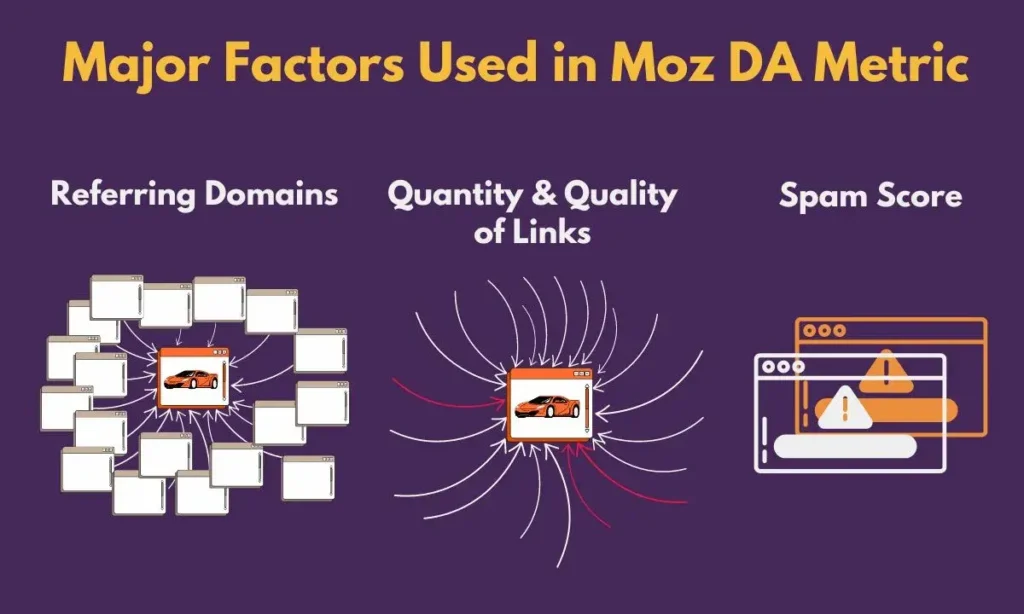
Domain Authority (DA) is Moz’s 0-100 score. Domain Rating (DR) is Ahrefs’ version. Here’s what most people miss: Google doesn’t use either one for rankings. They’re just estimates that sometimes get it right, sometimes don’t.
Genuine authority is determined by more than just high authority scores; it also depends on factors like site age, organic traffic, and the quality of inbound links from quality sites.
Moz calculates DA using link quantity, referring domains, spam scores, and link quality through machine learning. Ahrefs calculates DR based on backlink profile strength. Both can be gamed.
Not all high-authority backlinks are beneficial; some may come from sites that use shady tactics or belong to private blog networks (PBNs).
You shouldn’t confuse authority with external metrics like DA and DR, as these can be easily manipulated focus on link relevance and genuine authority instead. You’ll see sites with DA 60+ that get zero organic traffic because they bought links to inflate the score.
Always check real traffic data before trusting a DA or DR score. A DA 35 site with 50,000 monthly visitors beats a DA 70 site with no traffic.
How to Identify Authority Backlink Sources?
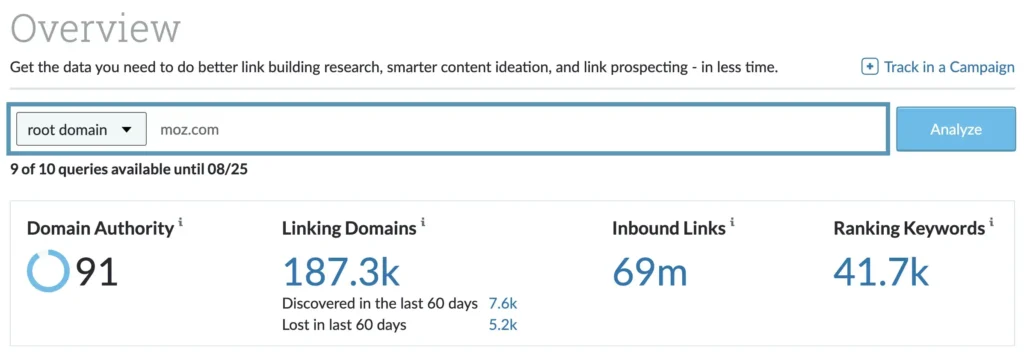
Check for verified organic traffic, documented editorial standards, topical alignment with your content, and contextual link placement in relevant articles. Sites with DA above 40 may still lack authority. Many generate zero visitors or publish low-quality content unrelated to your industry.
Check monthly organic traffic using Ahrefs Site Explorer or SEMrush Organic Research. Traffic data tells you whether real users and Google value the site’s content. Look for editorial standards like author credentials, content guidelines, and fact-checking processes.
Topical alignment matters just as much as authority metrics. A link from a moderate-DA industry blog in your niche carries more relevance than a high-DA general news site. Google’s algorithms check whether the linking page’s content naturally relates to your page’s topic.
What DA and DR Actually Tell You?
- They predict ranking potential based on backlink profiles
- They’re useful as rough comparison benchmarks between sites
- They can be manipulated through link buying or PBNs
- They don’t measure traffic, content quality, or user engagement
- Google doesn’t use them as ranking factors
Link placement context determines value. Editorial links inside main content paragraphs carry much more ranking weight than footer links, sidebar widgets, or author bio boxes. Search engines view in-content links as editorial endorsements, while footer and sidebar links look like navigation.
The 4-Factor Validation Checklist
Use this checklist before pursuing any backlink prospect:
- Traffic verification – Check if the site gets consistent monthly search traffic
- Editorial quality – Make sure articles have clear authors and useful, well-written content
- Topical relevance – The site should cover your industry or closely related topics
- Placement context – Aim for links inside the main article, not only in the footer or sidebar
When evaluating prospects, consider the types of links involved, such as b links and c links, and exercise caution with link exchanges. Link exchanges involve mutual linking between sites, but should be done carefully to avoid penalties.
The 60-Second Authority Test
Before you spend time on outreach, score any site on these 4 factors:
| Factor | ✅ Yes (1 point) | ❌ No (0 points) |
| Traffic | Gets consistent monthly organic visitors | Little to no verifiable traffic |
| Editorial quality | Has named authors with bios | Anonymous or low-quality content |
| Relevance | Covers your niche or related topics | General/unrelated content |
| Placement | Will link from article body | Only footer/sidebar links offered |
Your score:
- 🚀 4/4: Pursue aggressively
- ✅ 3/4: Worth pursuing
- ⚠️ 2/4: Low priority
- ❌ 0-1/4: Skip it
Before diving into mistakes, understand that sustainable link building follows specific principles.
Common Authority Backlink Mistakes
Building too many backlinks too quickly triggers Google’s spam detection.
Natural link velocity grows gradually as content gains visibility. Sudden spikes of dozens of new backlinks weekly raise red flags, especially when links come from low-quality or unrelated sources.
Another common mistake is accepting nofollow-only placements. While nofollow links may pass trust signals according to Google’s 2019 attribute updates, they don’t pass PageRank or directly help rankings.
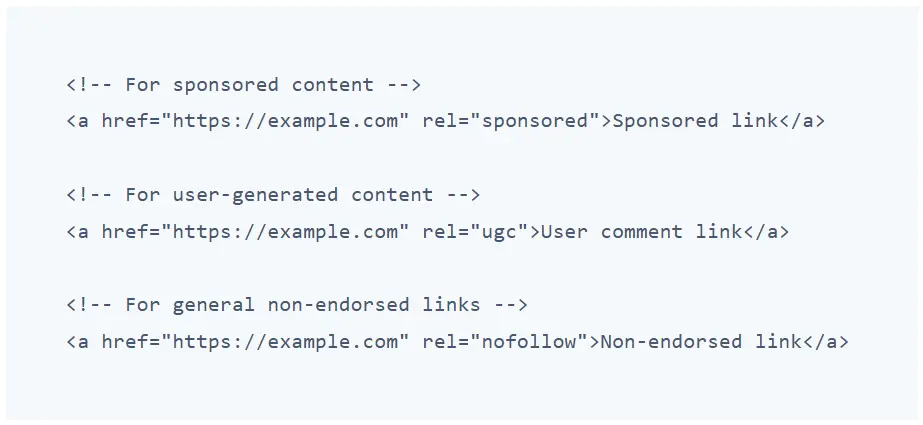
Sites that only offer nofollow sponsored or UGC attributes should be lower priority unless the traffic and brand exposure justify the effort. Adding secure link attributes such as noopener noreferrer can also help prevent security risks when linking out, especially when editors open external pages in new tabs.
Other critical errors to avoid:
- 💸 Buying links from marketplaces that violate Google guidelines
- 🤖 Using automated link building programs that generate spammy connections
- 🔍 Ignoring competitor backlink analysis when identifying opportunities
- 📊 Failing to diversify link sources across multiple domains and content types
Get Authority Backlinks the Right Way 🚀
Building authority backlinks takes time, strategy, and consistent effort. The fastest path forward combines creating genuinely link-worthy content with strategic outreach to sites that actually move the needle on your rankings.
Ready to earn high-authority backlinks without spending months on manual outreach?
If you need a professional link-building agency that focuses on real authority sites (not just high DA numbers), check out BuildingBacklinks.io.
Choose from niche edit placements on relevant authority sites, guest posts with editorial standards, or custom campaigns targeting the exact sites that matter in your industry.
Frequently Asked Questions
1) What Is the Difference Between Domain Authority and Domain Rating?
Domain Authority is Moz’s 0-100 score; Domain Rating is Ahrefs’ 0-100 score. Both estimate link-based strength, but neither is a Google ranking factor. Use them as rough benchmarks to compare sites, not as absolute truth about ranking power.
2) How Many Backlinks Do I Need to Increase Domain Authority?
There’s no magic number. A handful of links from strong, diverse domains moves DA more than dozens from weak, similar sites. Focus on getting new referring domains from relevant, trusted sites instead of chasing a backlink count. Quality beats quantity every time.
3) Are Footer Links Bad for SEO?
Footer links are not bad, but they are weak. Google mostly treats them like navigation, so a link inside the main article will help your rankings much more. Prioritize contextual links in the body of content and treat footer links as secondary.
4) How Long Does It Take for Backlinks to Improve Rankings?
Most backlinks take around 3-6 months to influence rankings, depending on how often Google crawls the linking site and how competitive your keywords are. Track new links and position changes over several months instead of expecting immediate movement. Be patient and keep building quality links consistently.