
 ChatGPT
AI Mode
ChatGPT
AI Mode
 Claude
Perplexity
Grok
Claude
Perplexity
Grok
Last Updated on March 14, 2026 by Henry

Table of Contents
You’ve built backlinks, but your rankings aren’t moving. The problem? Those links need more power. Tiered link building solves this by building links to your links. Instead of pointing everything directly at your site, you create layers that amplify each other.
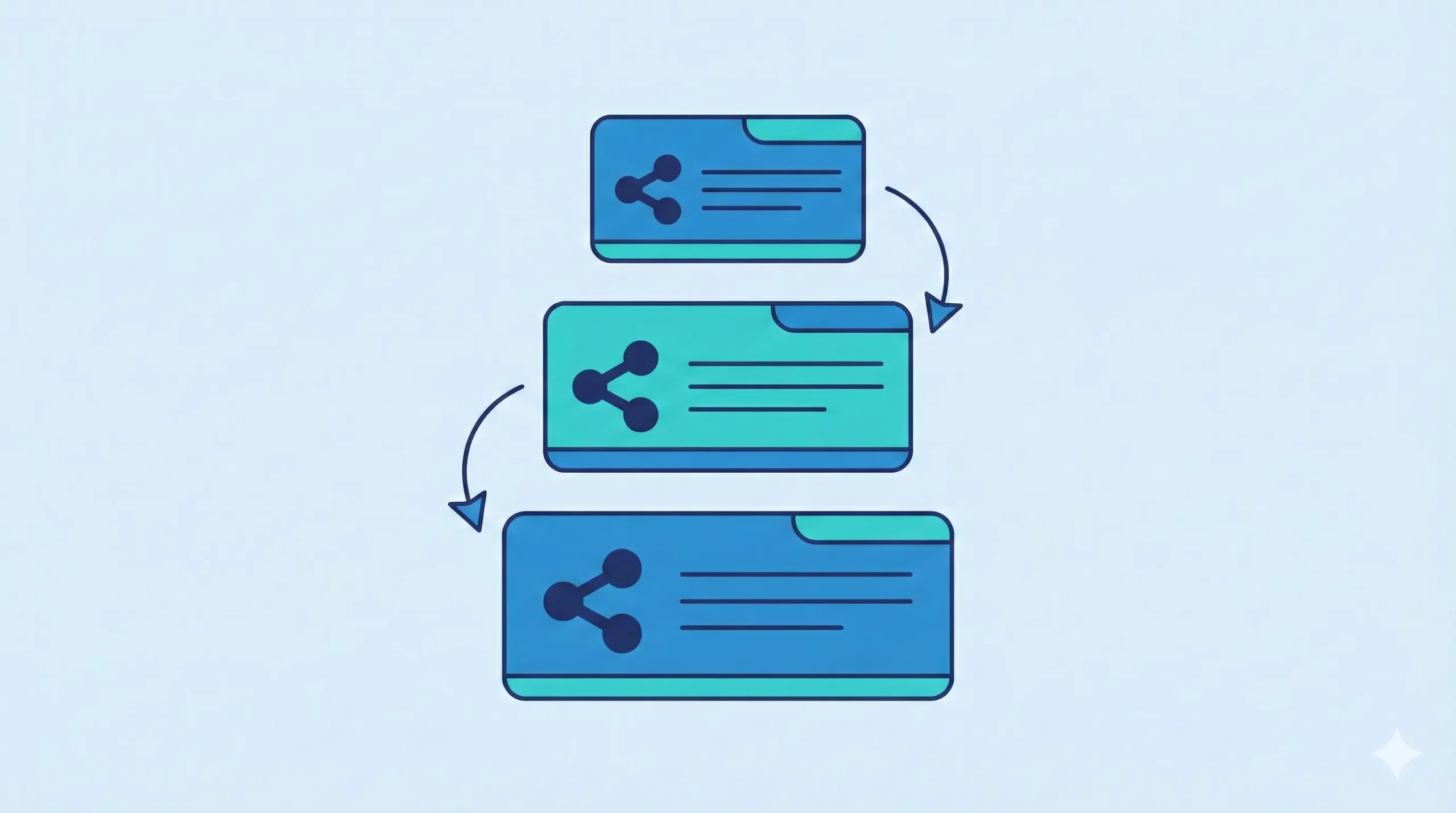
Here’s how it works: Tier 1 links point to your pages. Tier 2 links boost those Tier 1 sources. Optional Tier 3 links support Tier 2. Each layer strengthens the one above it, like a tiered link pyramid.
The result? Your weak backlinks pass more authority to your site without building more Tier 1 placements from scratch. This strategy enhances your website’s authority and website’s SEO by strengthening your backlink profile across multiple levels.
The benefits of tiered link building include creating a layered, multifaceted approach that boosts your website’s authority, improves search engine rankings, and increases the overall ranking potential of your site.
The risk: This sits in gray-hat territory. According to 2025 survey data from 518 SEO professionals, the industry still relies heavily on link manipulation tactics, but Google’s algorithmic capabilities have advanced significantly.
Do it right with quality control, and you may see ranking improvements within a few months. Do it wrong with spam and automation, and you risk algorithmic devaluation or manual penalties.
How Tiered Link Building Works?

Instead of building all your backlinks directly to your site, you create layers.
👉 First tier links point directly to your pages (your money pages) as direct links from high-quality, authoritative websites.
👉 Second tier links support the first tier links by pointing to the pages where your first tier links appear, boosting those source pages’ authority.
👉 Optional third tier links, also known as lower tier links, support your second tier sources.
Think of it like a pyramid where link equity flows upward through each layer. Lower tier links, such as third tier links, are cost-effective and help maximize the effect of your link building without needing a large budget.
Link juice (also called link equity) is the SEO value and authority that passes from one page to another through hyperlinks. When a high-authority site links to your page, it transfers some of its ranking power to you.
In tiered link building, Tier 2 and Tier 3 links boost the “juice” that Tier 1 links pass to your site. Third tier links typically do not pass link juice directly to your site, but they help support higher tiers and improve indexation.
When a Tier 3 link points to a Tier 2 page, that page gains authority and can pass link juice to the Tier 1 page it links to. Your site benefits at the end of the chain. You get a diverse backlink profile without putting low-quality links one click away from your domain, while avoiding excessive reciprocal links that could trigger spam filters.
Google doesn’t just evaluate your direct backlinks. It analyzes the entire link graph, tracking link velocity (how fast you acquire links), anchor text distribution across multiple hops, and contextual relevance between linking pages. According to multiple reports from SEO monitoring tools,
Google’s algorithms have become increasingly sophisticated at identifying coordinated linking patterns. Your tier structure needs to look organic, not manufactured.
Benefits and Risks
Tiered strategies can improve your rankings when executed properly.
✅ The benefits: you amplify link equity to your pages, create a more natural link profile, build a diverse link profile with various link types, and achieve a natural link profile that search engines trust. You can also use moderate-authority sources without putting your domain at direct risk. But poor execution triggers penalties.
A 2025 Ahrefs study found that top-ranking pages have significantly more referring domains than lower-ranking competitors.
According to survey data from 518 SEO professionals, 73.2% believe backlinks still influence AI-generated results like ChatGPT and Perplexity answers.

Tiered link building is an effective seo strategy for improving search rankings, helping you build the volume and variety you need to compete.
❌ What gets you penalized:
- Building Tier 2/3 links from obvious PBN-style networks (expired domains with thin content, no organic traffic)
- Using automated Web 2.0 creation tools that leave digital fingerprints (same IP ranges, identical posting patterns)
- Repeating exact-match anchor text across all three tiers pointing to the same page
- Creating velocity spikes where you build 50+ links in a day then go silent for months
- Cross-linking your own Tier 2/3 properties in detectable patterns
- Building tiered links in a way that appears unnatural or manipulates existing backlinks, which can trigger penalties
If Google’s algorithms or other search engine algorithms flag your link profile as manipulative, you risk algorithmic devaluation (your links pass zero value) or manual actions (removal from search results).
⚠️ Understanding SEO Risk Levels
White-Hat: Follows Google’s guidelines. Safest but slowest.
Gray-Hat: Manipulates rankings but not explicitly banned. Tiered link building sits here.
Black-Hat: Violates guidelines (PBNs, link farms). High penalty risk.
Understanding Tier 1 Links
Tier 1 backlinks from high-authority, topically relevant domains hit hardest. These are considered high authority backlinks. They transfer link equity directly to your pages without dilution through extra layers.
You get these from editorial placements on reputable sites with strong domain authority, organic traffic, and contextual relevance to your niche. Ideal sources for Tier 1 links include authoritative websites and authoritative sites such as Forbes and TechCrunch.
Quality requirements for Tier 1:
- Domain rating above 50 (Ahrefs) or Domain Authority 40+ (Moz)
- Substantial monthly organic traffic (verify in SEMrush)
- Strong topical alignment with your target keywords
- Real editorial standards (not accepting every guest post pitch); When guest posting, ensure you publish a well-crafted blog post as part of a structured link building campaign that tracks your outreach and results.
The purpose of Tier 1 links is to boost the authority of your own website.
✅ What is Domain Rating (DR)?
Domain Rating measures a site’s backlink strength from 0-100 (Ahrefs metric). Higher = more authority.
DR 70+ = Top-tier (Forbes, TechCrunch) DR 50-69 = Strong authority (industry publications) DR 30-49 = Moderate (niche blogs)
Target DR 50+ for Tier 1 links.
Anchor Text Distribution for Tier 1

Use varied anchor text to avoid over-optimization penalties. According to 2025 industry data, professionals prioritize 41.7 percent partial-match anchors and 20.5 percent branded anchors over exact-match keywords (25.1 percent) that trigger filters.
Let’s say your target page covers enterprise project management software.
✅ Use anchor text like “project management tools for large teams” (partial match), “enterprise PM platform guide” (branded partial), and “this comprehensive comparison” (generic).
❌ Avoid repeating the exact match “enterprise project management software” more than once across all your Tier 1 links.
Point these Tier 1 links at your target site, specifically, your service pages, product pages, or high-value blog content where conversion potential justifies the investment. Dofollow links pass maximum authority. But keep a small percentage of nofollow links to maintain profile diversity.
Understanding Tier 2 Links
Tier 2 links, also known as second tier links, don’t point to your site. They point to the pages where your Tier 1 links live.
This boosts those Tier 1 pages, which then pass more authority to you and help increase your site’s authority. You’ll build these from mid-tier platforms like niche blogs, industry forums, resource pages, and other relevant sources.
Quality standards are lower here. You need moderate domain authority (DR 20-50), some organic traffic, and basic topical relevance. That’s enough since these links sit one hop away from your site.
✅ Best Tier 2 sources:
- Guest posts on smaller niche blogs
- Contextual links from industry directories
- Article directories for manual, relevant submissions
- Social bookmarks on Reddit or Medium (with genuine engagement)
- Relevant forum discussions where you contribute value
❌ What to avoid at Tier 2:
- Automated Web 2.0 networks (Blogger/Tumblr accounts created in bulk)
- Blog comment spam with generic “great post” comments
- Low-quality directory submissions with thousands of outbound links
- Article syndication networks republishing identical content
Build your Tier 2 links gradually over weeks. Don’t dump them all at once or you’ll create velocity spikes that look artificial. Each Tier 1 link can handle multiple Tier 2 supporting links, depending on your Tier 1 source’s authority and how competitive your industry is.
Mix up your anchor text with partial-match, branded, and generic anchors to spread signals naturally.
Understanding Tier 3 Links
Tier 3 links, also known as third tier links, form the base of your pyramid. They point to your Tier 2 sources to create extra authority flow up the chain.
You can build these from lower-authority platforms like blog comments, social bookmarks, Web 2.0 sites, forum signatures, social media posts, and directories.
These links often come from lower quality sites that are easier and cheaper to acquire links from. Here, relevance matters more than individual link strength.
Critical warning: Tier 3 is where most penalties originate. This tier is furthest from your money site, so many people use low-quality automation here, which creates detectable patterns that devalue your entire structure.
✅ What’s acceptable at Tier 3:
- Social bookmarks with real user engagement
- Blog comments that add genuine value to discussions
- Web 2.0 content that’s unique and contextually relevant
- Forum posts that answer real questions
- Social media posts from platforms like Quora, Reddit, or social profiles
- Directory submissions on relevant, niche directories
❌ What will get you penalized:
- Fiverr gigs promising “1,000 Web 2.0 backlinks for $5”
- Automated blog comment tools (ScrapeBox, etc.)
- Identical content spun across hundreds of Web 2.0 properties
- Link farms or link wheels connecting your Tier 3 properties
Focus on avoiding spam at this tier, not maximizing quantity. Each link should appear on a page with real content, contextual placement, and some organic traffic. Tier 3 is optional. Most campaigns should stop at Tier 2 unless you have substantial resources for quality control.
Tier Ratios and Link Velocity
Safe tiered link building matches your ratio to your industry’s competitiveness and your site’s authority. Conservative approaches use fewer supporting links per tier, while aggressive strategies multiply the pyramid base.
Conservative approach (recommended for most):
- 1 Tier 1 link → 3-5 Tier 2 links → Skip Tier 3
- Build 1-2 Tier 1 links per month
- Add Tier 2 support gradually over 4-6 weeks
- Total campaign: 3-6 months to see results
Aggressive approach (high risk, competitive niches only):
- 1 Tier 1 link → 8-10 Tier 2 links → 20-30 Tier 3 links
- Build 4-6 Tier 1 links per quarter
- Requires dedicated team for quality control
- Higher penalty risk if velocity looks unnatural
Platform Selection by Tier
Tiered link building amplifies the link equity flowing to your site. It creates a diverse backlink profile that looks organic to search algorithms and lets you use moderate-quality links strategically without risking direct penalties.
Tier 1 platform priorities:
- Industry publications that accept guest contributions
- Digital PR outlets like news sites and trade journals
- Authoritative blogs with engaged audiences in your niche
When targeting Tier 1 platforms, focus on publishing high quality content that is insightful, well-written, and valuable to your audience. High quality content published on authoritative, relevant websites is more likely to attract backlinks from other websites, as they see it as a helpful resource or reference.
According to 2025 BuzzStream data, 48.6 percent of SEO pros rate digital PR as the most effective link building tactic. Guest posting comes in second at 16 percent. Prioritize sites with domain rating above 50, substantial monthly organic traffic, and strong editorial standards.
Tier 2 platform options:
- Niche blogs that accept guest posts
- Industry-specific directories like product review sites
- Curated resource pages that link to helpful tools
- Web 2.0 platforms like Medium, LinkedIn articles, or Substack
- Forums like Reddit, Quora, or industry-specific boards
Tier 3 platforms (use cautiously):
- Social bookmarking sites like Mix, Folkd, or Digg
- Blog comment sections on moderate-authority sites
- Web 2.0 profiles that support your Tier 2 content
Avoid link farms, automated submission services, or sites with excessive outbound links. These dilute equity and risk spam classification.
Measuring Success in Tiered Link Building

A successful tiered link building strategy isn’t just about building links it’s about tracking real, measurable improvements in your site’s authority and search engine rankings.
Here’s how to measure the impact of your tiered link building:
1.Monitor Link Equity Flow: Use tools like Ahrefs, Moz, or Majestic to track increases in your site’s Domain Rating (DR) or Domain Authority (DA). Pay special attention to the authority of your Tier 1 and Tier 2 referring domains. A healthy tiered link profile should show a steady rise in link equity, with new high-quality referring domains supporting your primary backlinks.
2. Track Search Engine Rankings: Regularly check your target keywords for movement in search engine rankings. A well-executed tiered link building strategy should result in gradual improvements for your main site and key landing pages. Use rank tracking tools to monitor both short-term jumps and long-term trends, and compare performance before and after your campaign.
3. Analyze Organic Traffic Growth: Increased link equity and better rankings should translate into more organic traffic. Use Google Analytics or similar platforms to track changes in organic sessions, new users, and conversions from search. Look for sustained growth that aligns with your link building timeline.
4. Evaluate Backlink Profile Diversity: A diverse backlink profile is a hallmark of a natural link building strategy. Review your referring domains for a mix of link types, sources, and anchor texts. This helps ensure your tiered link building work appears organic to search engines and reduces the risk of penalties.
5. Set Benchmarks and Review Regularly: Establish clear benchmarks before launching your campaign, such as current DR, average keyword positions, and monthly organic traffic. Review progress monthly or quarterly, and adjust your tiered link building strategy based on what’s working.
By consistently measuring these metrics, SEO professionals can demonstrate the value of their link building efforts, spot issues early, and refine their approach for maximum impact. Remember: the goal isn’t just more links, but more authority, better rankings, and real business results.
When to Skip Tiered Link Building
Tiered link building isn’t right for every site or situation.
Skip this strategy if:
- Your site is under 6-12 months old with fewer than 20 referring domains
- You’re in YMYL niches like health, finance, or legal services
- Your quarterly budget is under $2,000-3,000
- You’re already ranking in positions 1-3 for target keywords
- You’re in a low-competition niche where 10-15 backlinks can rank you
The average acceptable cost for a quality backlink is $508.95, meaning a $2,000 budget gets you 3-4 solid Tier 1 placements per quarter. That’s more valuable than spreading thin across three tiers with low-quality sources.
Common Mistakes to Avoid
The fastest way to waste money on tiered link building? Use automation tools, engage in link schemes, or buy into private blog networks (PBNs) and cheap Fiverr services that build hundreds of spam links overnight.
These black-hat tactics violate search engine rules and are easily detected by search engine crawlers.
Google’s algorithms specifically target these patterns, and attempting to manipulate search engine crawlers can result in severe penalties. If you build massive volumes of low-quality links pointing to the same Tier 2 page in a short period, expect your entire tier structure to get devalued within weeks.
Excessive exact-match anchor text triggers over-optimization penalties. This happens especially when the same keyword anchor appears across multiple tiers pointing to the same target page.
Building tiers too quickly creates velocity spikes that look artificial. A pattern of many links added in a short burst followed by weeks of silence looks less organic than steady building over months.
Another common mistake is ignoring link decay. Links disappear over time when sites shut down or content gets removed. Audit your tier structure quarterly and replace lost links.
Get Professional Tiered Link Building Services 🚀
Building a safe tiered link structure requires quality control at every layer, relationship building with real site owners, and continuous monitoring for link decay and penalty signals.
Ready to build tiered link campaigns with professional oversight? BuildingBacklinks.io specializes in tiered strategies that balance ranking gains against penalty risks. We offer high-authority niche edit packages (DR 50+ for Tier 1), guest post packages with editorial standards, and custom tiered campaigns mixing methods based on your niche competitiveness and risk tolerance.
All campaigns include quarterly link audits, velocity monitoring, and anchor text distribution reports. Contact us for a custom strategy consultation.
Frequently Asked Questions
1) How Long Does It Take to See Results From Tiered Link Building?
Most campaigns show results within 3-6 months. The timeline includes 4-6 weeks for Tier 1 placement and indexing, 4-8 weeks for building Tier 2 support, then 4-8 weeks for measurable ranking movement. Competitive keywords may take longer.
2) Can I Do Tiered Link Building Myself or Should I Hire an Agency?
DIY works if you have 10-20 hours weekly for outreach and quality control. The challenge is securing DR 50+ Tier 1 placements with 5-15% acceptance rates. Agencies cost $2,000-5,000+ monthly. Best compromise: hire for Tier 1, handle Tier 2/3 yourself.
3) Is Tiered Link Building Still Effective in 2026?
Yes, but riskier because Google’s AI detects coordinated patterns better. You need higher Tier 2/3 quality and slower velocity than before. It works if you prioritize quality over quantity.
4) What’s the Difference Between Tiered Link Building and PBNs?
Tiered link building uses real third-party sites you don’t own through outreach and guest posting. PBNs are sites you own specifically for link manipulation with thin content and no traffic.