

 ChatGPT
AI Mode
ChatGPT
AI Mode
 Claude
Perplexity
Grok
Claude
Perplexity
Grok
Last Updated on April 11, 2026 by Henry

Table of Contents
Getting backlinks in the finance niche is not just difficult; it’s one of the toughest challenges in SEO. In fact, finance ranks as the second hardest niche for link building, just behind iGaming. The competition is intense, and earning quality links is no longer optional if you want to stand out.
At the same time, the demand for better tools and smarter strategies is rising fast. The global link building tools market reached $2 billion in 2025 and continues to grow at a steady 15% CAGR through 2033. That tells you one thing clearly: everyone is trying to win this game, but only a few are doing it right.
For finance websites, building a strong backlink profile goes far beyond chasing Domain Ratings. It’s about building a trusted financial brand and earning placements from sources Google already considers reliable at the YMYL level.
In this guide, you’ll learn how to judge link quality properly and explore nine proven strategies that actually work in a highly regulated space where trust matters more than ever.
Introduction to Link Building
Link building isn’t just another SEO task you check off a list. For finance websites, it often decides whether your content gets seen or stays buried. Your rankings, visibility, and even the kind of traffic you attract are all closely tied to the quality of links pointing to your site.
In the finance space, the bar is even higher. Search engines look at financial content with extra scrutiny, which means trust and credibility are everything. It’s not enough to have backlinks; they need to come from authoritative, reliable sources that actually carry weight.
When you earn high quality backlinks from respected names within the finance industry, it does more than improve rankings. It builds trust, strengthens your presence, and brings in visitors who are far more likely to engage with your content or services.
Why Finance Backlinks Matter for Search Rankings
Google treats financial content as YMYL (Your Money or Your Life), which means every backlink is judged more strictly than in most niches. Backlinks remain a key ranking factor, but here, quality matters far more than quantity. One link from a trusted financial site can impact rankings more than dozens of general links, because in this space, authority is built on credibility, not volume.
🔍 What Is YMYL?
YMYL stands for “Your Money or Your Life,” a category Google uses for content that can directly impact someone’s finances, health, or safety. This includes finance, legal, and medical websites. Because of this, Google applies much stricter quality standards, where low credibility backlinks can hurt rankings instead of helping.
After Google’s March 2024 Core Update, nearly 40% of unhelpful quality YMYL results were removed from search, with finance sites among the most affected. In this space, earning strong, high-quality backlinks is not optional; it’s what builds authority and improves visibility. With finance keywords often costing $50 to $100 per click, organic rankings become far more valuable over time.
By 2025, around 44% of YMYL searches started triggering AI-generated overviews. Research from Edelman shows that 90% of these citations come from earned media, not paid placements. Without credible editorial backlinks, finance brands risk being invisible in both search results and AI-driven answers.
What Finance Backlinks Are and How to Assess Them
A financial backlink is simply a link coming from a site that consistently covers topics like money, investing, banking, insurance, or related areas. But not all links are equal. Some, especially from low-quality or spammy sites, can do more harm than good.
What really matters is how relevant the source is, how independently the content is written, and whether the linking page itself gets real traffic. These factors decide if a link actually improves your rankings or just adds noise.
📊 What Is Domain Rating (DR)?
Domain Rating is a metric by Ahrefs that measures the strength of a website’s backlink profile on a scale from 0 to 100. A higher score usually signals a stronger profile, but in finance, relevance matters more than raw numbers.
A DR 90 site with no connection to finance often holds less value than a DR 45 blog that consistently publishes finance content. Context is what makes a link truly effective.
With most web pages having zero backlinks, every quality link in the finance space carries extra weight. That is why evaluating each opportunity carefully before outreach makes a real difference.
| Signal | What to check | Why it matters |
| Topical relevance | Does the site regularly publish finance content? | Primary YMYL quality signal; outweighs DR alone |
| Editorial independence | Was the link earned without payment? | Paid links violate Google’s spam policies in YMYL niches |
| Organic traffic | Does the linking page attract real visitors? | Confirms Google already treats the referring domain as credible |
| Ahrefs DR | DR 40+ from a finance-specific publisher | Passes proportional PageRank; niche relevance multiplies value |
| Link attribute | Followed vs. nofollowed | Followed links pass PageRank; nofollowed still support brand signals |
Keeping your link profile natural matters even more in the finance space. Instead of chasing numbers, focus on building a mix of genuine, relevant backlinks that come from credible sources. Avoid shortcuts or manipulative tactics. What works here is consistency, trust, and strong editorial alignment.
Topical relevance vs. domain authority: A personal finance blog with a DR of 42 that regularly publishes content on budgeting, debt, and investing will often outperform a DR 72 lifestyle site that barely touches finance. Relevance always comes first. Before you even look at Domain Rating, check if the site consistently covers financial topics. If it doesn’t, it’s not worth pursuing, no matter how strong the authority score looks.
9 Finance Backlink Strategies That Earn Editorial Links
These are the tactics that build durable, penalty-resistant backlink profiles in the finance niche. These strategies are often implemented as part of comprehensive link building campaigns in the finance niche. Each one earns links on editorial merit, not payments, link exchanges, or reciprocal arrangements.
1. Digital PR Campaigns Tied to Financial Data
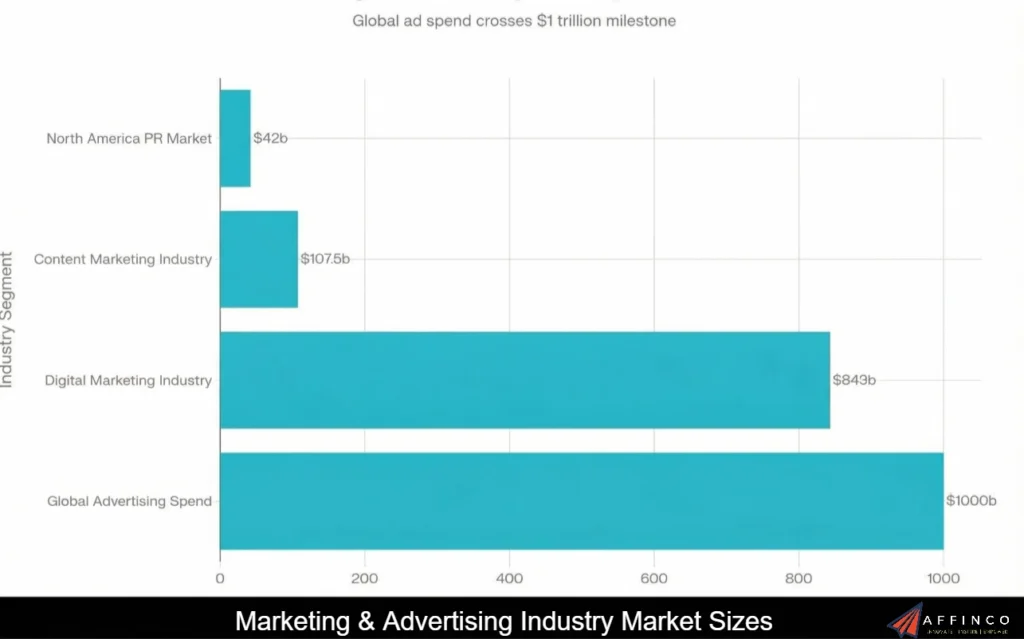
Digital PR continues to stand out as the most effective link building tactic, with a 48.6% effectiveness score among SEO experts. A 2024 Reboot Digital analysis found that digital PR links average a DR of ~60, with 8% from DR 90+ domains.
Digital PR campaigns can generate high-quality backlinks from authoritative news sites, which can significantly improve search rankings more quickly than other link-building tactics.
Effective finance PR campaigns are built on three elements:
- Original financial data: proprietary surveys, rate comparisons, data-driven reports, or market analyses that journalists can cite as primary sources
- Timely angles: stories connected to current rate changes, regulatory updates, or economic trends that newsrooms are already covering
- Credentialed spokespeople: insights and quotes from verified financial professionals that meet editorial standards at major publications
The real advantage comes from turning data into stories that journalists actually want to use. When your content fits what the media is already talking about, earning high-quality backlinks becomes far more natural.
Target publications like Business Insider and The Wall Street Journal for high authority placements, and look to regional business journals for steady mid-range coverage.
📣 What Is Digital PR?
Digital PR is the practice of earning editorial backlinks by pitching original data, expert commentary, or timely financial stories to journalists and publishers. Unlike traditional PR, the primary goal is a followed link from a high-authority publication, not just brand coverage. In the finance niche, digital PR is the single fastest route to DR 60+ editorial placements.
To maximize PR impact and backlink acquisition, finance brands should publish original research that stands out through unique, data-driven content.
2. Original Research That Journalists Cite
Proprietary data, whether a salary benchmark, savings rate study, or debt trend report, gives journalists a citable source they cannot find elsewhere. Data-driven reports are especially effective at earning editorial placements, as they provide factual insights that enhance credibility and engagement. A single well-promoted research piece can earn 20–50 editorial placements over several months at a production cost of $1,000–$5,000.
Leverage existing customer or user data where privacy and compliance permit. A fintech company analyzing anonymized spending patterns has raw material no competitor can replicate. Promote the research with a dedicated landing page and a press release to maximize pickup.
3. Financial Calculators and Interactive Tools
Interactive tools earn links passively long after launch. A mortgage calculator built for approximately $3,000 earned 85 referring domains at an average DR of 35 and generated 8,000 monthly organic visits over two years.
High-performing tool types for the finance niche:
- Loan eligibility calculators
- Investment return visualizers
- Retirement savings estimators
- Downloadable budgeting templates for educational sites
Calculators and templates also serve as valuable educational resources for users seeking financial guidance, making them attractive assets for earning financial backlinks.
Prioritize mobile optimization and an embeddable code option. Both significantly increase the number of sites willing to host and link to your tool.
4. Resource Page Outreach
A 2024 BluTree Digital study found that 72% from DA 50+ domains and the average link lifespan exceeded five years. Finance resource pages on university, government, and established blog domains offer some of the most durable placements available.
Find prospects with these search operators:
- inurl: resources intitle: ”personal finance.”
- inurl: links site:.edu investing
- inurl: resources “financial planning” site: pinterest.com
Filter your list: the resource page must have organic traffic and must have been updated within the past 24 months. Resource pages typically include external links to high-quality educational content, so ensure your content aligns with this standard. Before sending outreach, confirm your content matches the page’s existing link categories, then personalize every pitch with the exact URL. Editors can spot templated emails instantly.
5. Guest Posts on Established Finance Publications
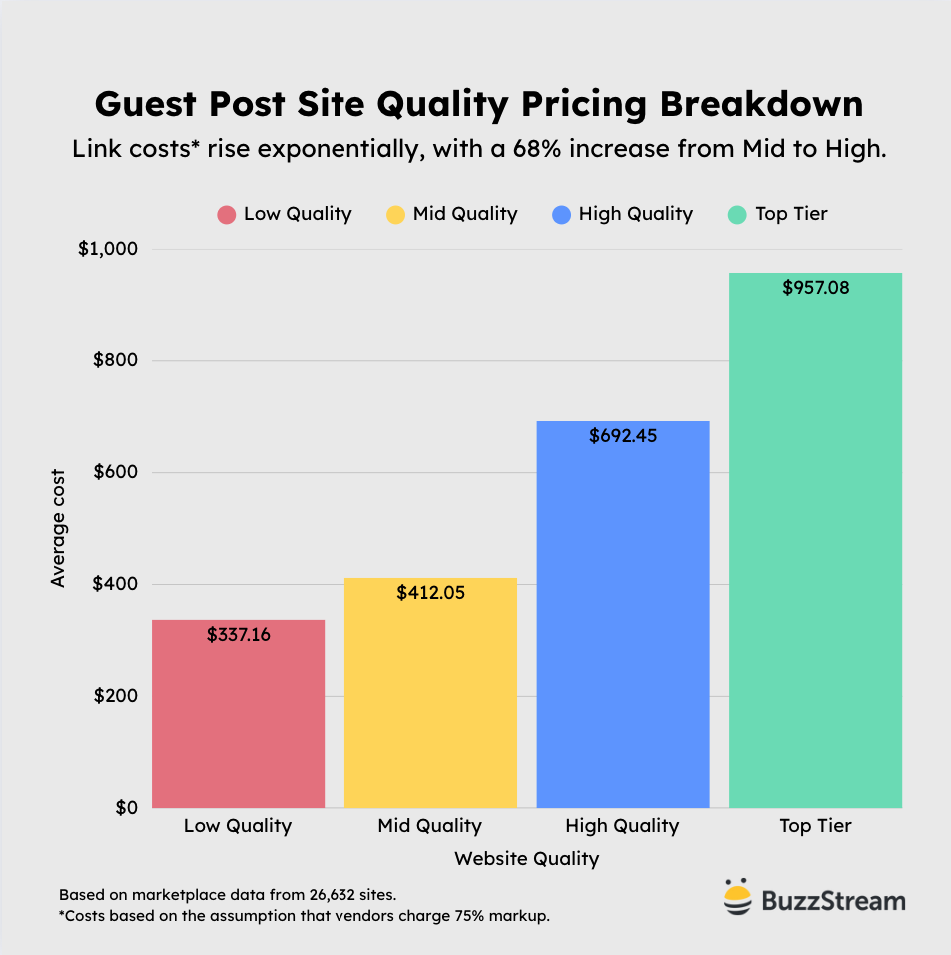
Guest posting in finance is highly selective, with only 7.6% of guest posts meeting quality standards. Choosing the right publication is just as important as the content you pitch.
Before submitting, check for:
- Consistent editorial quality
- Real organic traffic
- Verified author credibility
When pitching, skip generic ideas. Focus on:
- Data-backed or unique angles
- Topics readers are actively searching
- Clear expertise and credibility
A strong, well-optimized post improves your chances of getting published and building authority.
6. Broken Link Building in the Finance Niche
Broken link building averages a 5–8% conversion rate for cold outreach, but highly personalized campaigns can push that above 20%. As one of the more complex techniques in link acquisition, broken link building can yield high-quality results in the finance niche. Finance is well-suited for this tactic because .edu sites, government agencies, and non-profits maintain curated resource lists and actively appreciate correction outreach.
Find opportunities using: site:.edu “personal finance” -“this page” 404. Confirm the broken link with Ahrefs’ broken links report or Screaming Frog. Pitch your replacement content only after verifying it is a close topical match to the dead resource.
7. Unlinked Brand Mention Reclamation
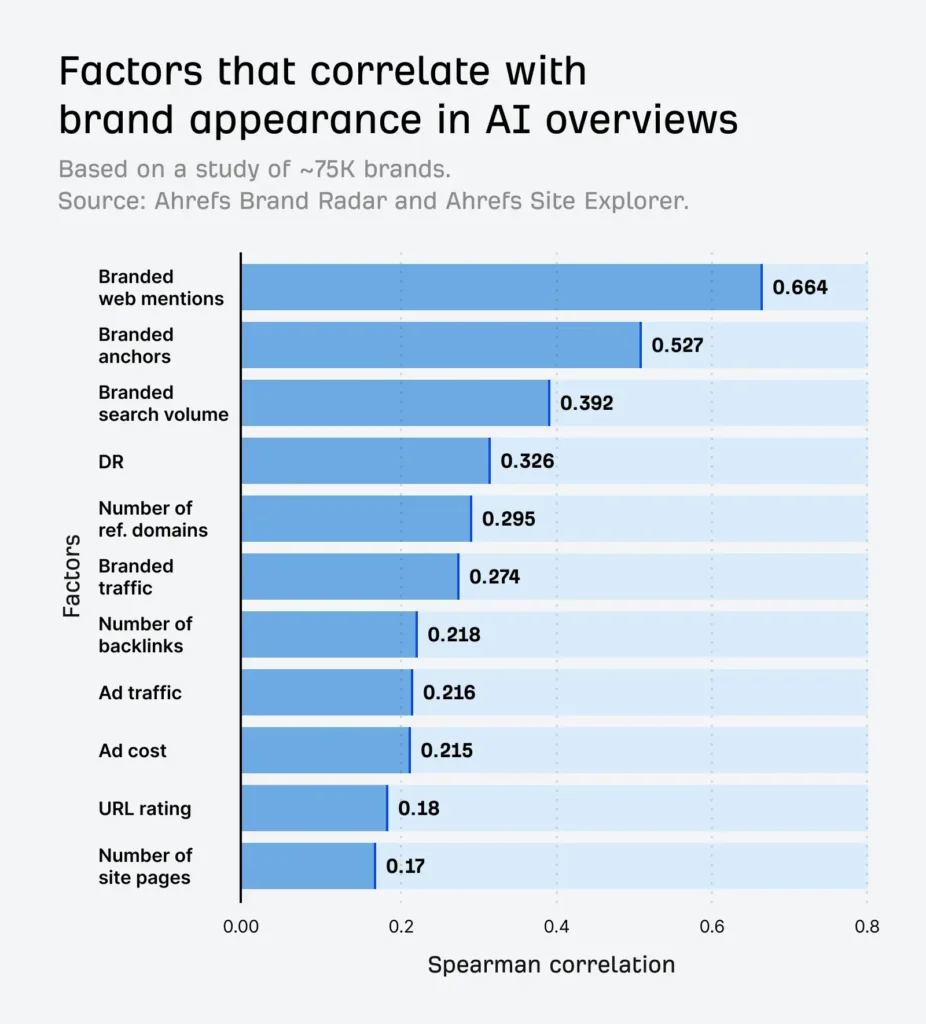
An Ahrefs study published in 2025 found that brand mentions show a 0.664 correlation with AI search visibility, outranking even backlinks and keyword placement. Every unlinked mention of your finance brand is a backlink that has not been claimed yet. It’s crucial to monitor your financial brand across the web to identify unlinked opportunities and strengthen your authority.
Monitor mentions using Google Alerts, Ahrefs Mentions, or Mention.com. When you find a relevant one, send a short, polite email acknowledging the reference and asking the author to add a link. Conversion rates are high because the writer already considers your brand worth citing.
8. HARO and Expert Sourcing Platforms
Responding to journalist queries through HARO, now Connectively, is one of the simplest ways to earn high authority backlinks without spending anything. In the finance niche, success rates usually range between 5 to 15%, but timing makes a big difference. Replies sent within the first few hours tend to get noticed more.
To improve your chances:
- Keep your response under 200 words
- Start with your credentials to build trust
- Include a clear data point or study
- Answer the journalist’s question directly and clearly
Finance editors often look for responses they can quote instantly, especially ones backed by verifiable data.
9. Finance Infographics and Visual Data Assets
Visual content works well in finance because it’s easy to understand, share, and reference. Infographics, in particular, attract backlinks since other sites can embed them while giving proper credit.
Focus on creating visuals around data that people already care about:
- Interest rate trends
- Household debt insights
- Investment strategies
- Performance comparisons
- Stock market performance
Make it easy to share by adding an embed option with proper attribution.
To expand reach:
- Share with finance educators and professors
- Connect with personal finance creators
- Reach out to financial literacy organizations
These audiences often share useful visuals, helping you earn additional backlinks beyond the original placement.
Local SEO for Financial Services
If your financial business serves a specific city or region, showing up in local searches is not optional; it’s where real customers are looking. Whether someone is searching for a nearby advisor or a trusted financial service, your visibility in that moment can directly turn into leads and foot traffic.
A strong local SEO approach is less about broad reach and more about being relevant where it matters most. That starts with aligning your content and keywords to your location, so you appear when people search with clear intent.
What actually moves the needle:
- Target location-based keywords that your audience is actively searching for
- Create content that speaks to local needs, trends, and concerns
- Earn backlinks from local sources like news sites, business groups, and community platforms
At the same time, your presence outside your website matters just as much. Keeping your business details accurate across directories and building positive reviews on platforms like Google Business Profile strengthens both trust and rankings.
Done right, local SEO does more than improve visibility. It positions your brand as a familiar and reliable name in your area. And in finance, that sense of trust often makes all the difference.
The Role of Financial Advisors in Link Building
In finance, trust is everything, and that’s exactly where financial advisors make a real impact. They are not just part of your team; they are your strongest credibility signal when it comes to earning quality backlinks.
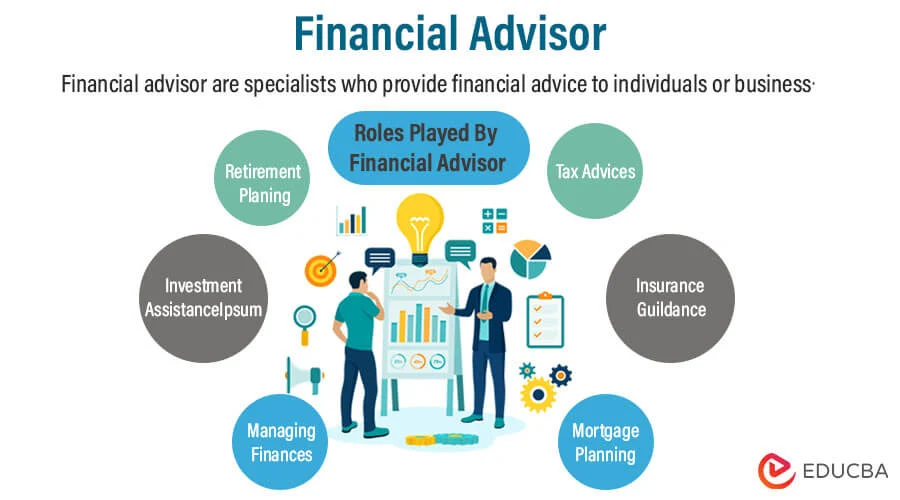
Their expertise naturally attracts attention. Journalists, bloggers, and industry publications are always looking for reliable voices to quote, and advisors fit that role perfectly. When their insights are featured, those mentions often turn into high-quality editorial links.
Where advisors add the most value:
- Contributing expert quotes for articles and news stories
- Writing guest posts on trusted finance platforms
- Sharing insights on current financial trends and market shifts
These efforts do more than bring in backlinks. They build visibility, strengthen credibility, and position your brand as a trusted source in the industry.
Over time, this also opens doors to stronger relationships with authoritative sites. Instead of chasing links, you start attracting them through expertise and trust. And in the finance space, that’s what truly sets a brand apart.
Common Finance Link Building Mistakes to Avoid
A few mistakes can quickly hold back your link building in finance. The most common ones include:
- Buying links that are of low quality
- Ignoring relevance and chasing authority
- Overusing exact match anchor text
- Failing to avoid links from low-quality or unrelated sources, such as manipulative directories or unrelated blogs
These patterns are easy for Google to detect, especially in YMYL niches. Avoid shortcuts and focus on building credible, relevant links that last.
⚠️ What Is a Google Manual Penalty?
A manual penalty is a human-reviewed action taken by Google’s spam team against a site that violates its link guidelines. In the finance niche, penalties are particularly damaging, and a penalized YMYL domain can lose rankings for months or even permanently.
The most common triggers include buying links, using private blog networks, and building unnatural anchor text patterns.
Why Paid Links Carry a Higher Risk in Finance?
An estimated 92% of SEO experts believe competitors are buying links, but manual penalties in a YMYL niche can remove a domain from rankings entirely. Finance and health sites receive closer scrutiny from Google’s quality review teams. The risk-to-reward ratio of paid placements is far worse here than in lower-stakes categories. Small finance companies may be especially tempted to buy links due to limited resources, but should focus on sustainable strategies for building financial backlinks instead.
The Anchor Text Mistake Most Finance Sites Overlook
One mistake many finance sites make is repeating the same keyword-heavy anchor text. It might seem effective, but it quickly creates a pattern that looks unnatural to Google.
To keep your link profile balanced, mix different types of anchors:
- Branded: your company or brand name
- Partial match: phrases related to your topic without exact keywords
- Generic: simple terms like “read more” or “this guide.”
- Bare URL: using the link itself as the anchor
A varied anchor profile feels more natural to both search engines and manual reviewers. This simple shift helps protect your site from penalties and supports steady, long-term SEO growth.
Measuring Success for Finance Link Campaigns
Finance link building takes longer to show results than most niches. 83.2% of campaigns register ranking impact only after two or more weeks, and competitive keywords typically require six months of consistent acquisition. Track these four KPIs monthly:
| KPI | What to measure | Benchmark |
| Referring to domain growth | New unique linking domains per month | Steady upward trend; spikes signal potential manipulation |
| Organic traffic per linked page | Monthly sessions to target URLs from search | Month-over-month growth within 4–8 weeks of strong placements |
| Target keyword rankings | Position changes for primary and secondary terms | Measurable improvement within 2 months of editorial links |
| Cost per high-quality backlink | Total spend divided by DR 40+ editorial placements earned | Industry average: $508.95 |
| Direct referral traffic | Visitors arriving directly from acquired backlinks | Monitor for increases in engaged, high-quality visitors and potential conversions |
Brands are no longer guessing with link building. Around a third of SEO budgets now go into earning links, and the real wins come from quality, not sheer volume. That shift says everything about what actually moves rankings in finance.
Before you invest in any link-building service, slow down and look under the hood. Ask for real proof, not promises:
- Samples from YMYL niches, not generic industries
- Clear DR distribution from past campaigns
- Confirmation that outreach is manual, not automated spam
- Transparent reports showing domain, DR, placement date, and anchor text
Placements on trusted platforms like NerdWallet, Bankrate, or Forbes Advisor can dramatically strengthen your authority, but only when they are genuinely earned.
At the same time, keep your keyword research tight. The right data tells you which topics to target, which links to pursue, and where your strategy is actually paying off.
Get Professional Financial Links 🚀
In finance SEO, shortcuts do not just fail; they backfire. One wrong link from the wrong place can quietly undo months of effort. On the flip side, one strong, credible mention from the right source can shift everything in your favor. That is the game you are playing.
The brands that win here are not chasing numbers. They are earning trust. They show up in places that already have authority, speak with real expertise, and back every claim with substance. That is what Google rewards in a YMYL world, and that is what your audience believes.
So before you think about scaling, ask yourself a simpler question. Would this link still be worth it if rankings did not exist? If the answer is yes, you are on the right track.
Build fewer links. Build better ones. Stay consistent. That is how finance SEO compounds quietly, and investment verticals, check out BuildingBacklinks.io.
Frequently Asked Questions
1) What Are Financial Backlinks?
Financial backlinks are links from websites that regularly cover finance topics like investing, banking, or money management. They carry more weight because Google applies stricter trust standards to finance content. For sites in this niche, the right links can significantly impact rankings.
2) How Do I Get Backlinks for a Finance Website?
Focus on proven methods like digital PR with original data, guest posting on finance sites, and creating tools or resources worth linking to. These approaches earn genuine editorial links without relying on risky tactics. Consistency matters more than volume.
3) What Makes a Backlink Valuable for a Financial Site?
Relevance comes first, then authority. A smaller finance-focused site often beats a bigger but unrelated one. If the linking page genuinely talks about finance, it is far more likely to improve your rankings.
4) How Long Does Finance Link Building Take to Show Results?
You may see early movement in 2 to 3 months after strong placements. For competitive keywords, it can take six months or longer. Tracking rankings and link performance monthly helps you spot what is working sooner.