Last Updated on February 19, 2026 by Shubam

Table of Contents
You’ve sent 50 cold emails for backlinks. Maybe three people replied. One of them actually had a decent site. That’s the challenge with cold outreach: you’re interrupting strangers who didn’t ask to hear from you.
Link building is only one part of search engine optimization, a highly competitive and strategic field that requires ongoing effort to succeed.
Slack communities operate differently. You join a room where 600 link builders are already swapping guest posts. Someone posts: Need a DR 40+ SaaS site for a guest post. You have one. You DM them. The deal often closes in three to five days.
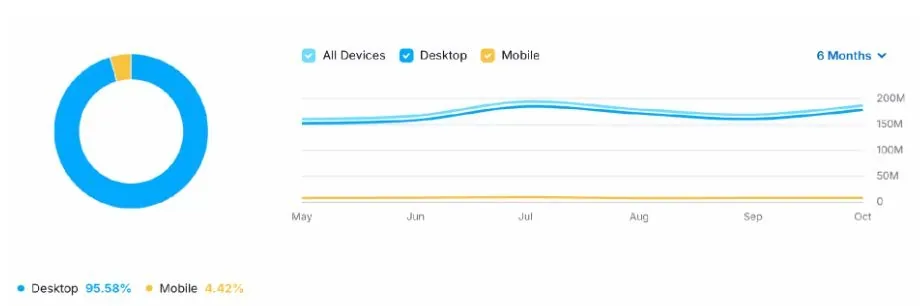
Today, 38.8 million people use Slack every day. Slack workspaces are typically used for internal company communication, while Slack communities are user-created groups open to the global SEO industry.
Thousands hang out in communities built specifically for link building and SEO partnerships. While you wait two weeks for cold email replies, they’re closing multiple backlink deals through direct messages.
The difference? They’re talking to people who actually want what they’re offering.
This guide explains which communities deliver, how to join them, and the exact steps that turn conversations into backlinks.
What Are Slack Communities for Link Building?
Think of Slack communities as private chat rooms where link builders connect. A Slack workspace is the main hub for communication, usually managed by an organization, while Slack communities are user-created workspaces centered on shared interests like link building.
Each community uses separate Slack channels to organize discussions by topic: one for guest posts, another for link swaps, and perhaps one for introductions. Instead of cold emailing strangers, you are talking with people who want to trade links.
Before jumping into Slack communities, make sure you understand what link building actually entails from foundational tactics to advanced strategies that deliver measurable results.
Here’s how it works:
You join a Slack workspace (that is Slack’s term for each community environment). Inside, you’ll see channels such as #link-exchanges for exchanging links, #guest-posts for content placements, and #introductions for meeting other community members.
Communities use direct messages for private chats and huddles for real-time audio or video calls.
Members include SEO professionals, digital marketers, link builders, guest bloggers, and website owners who collaborate to share ideas and exchange backlinks.
Someone posts, “I’ve got a DR 45 marketing blog, looking for a guest post spot on a SaaS site,” and if you own a SaaS site, you DM them.
No crowded Facebook groups.
No LinkedIn comment threads.
Just direct conversations that go somewhere.
The big difference from public forums? These workspaces have bouncers.
Many link building groups require you to apply before you can join.
They check your site authority and filter out spammy PBN operators before they get in.
That means when you talk to someone, there’s a good chance they run a real site worth getting a link from.
Understanding DR and Link Quality 📊
Domain Rating (DR) is Ahrefs’ proprietary metric for measuring backlink strength on a 0-100 scale. While useful for quick comparisons, Google doesn’t use DR in rankings. Google prioritizes relevance, editorial fit, and topical authority. A DR 35 niche-relevant site in your industry often delivers more SEO value than a DR 60 generic blog. When evaluating link opportunities in Slack communities, ask: “Does this site serve my target audience?” before checking metrics.
Benefits of Link Building Communities
Joining link building communities is one of the smartest moves for SEO professionals and digital marketers looking to level up their link building game.
These communities are more than just chat rooms. They are hubs where you can tap into a steady stream of link building opportunities, connect with like-minded professionals, and stay ahead of the latest SEO trends.
Inside these link building communities, you’ll find members sharing insights, exchanging ideas, and collaborating on everything from guest post opportunities to creative link swaps.
It’s a place where you can learn what’s working right now, get inspired by success stories, and even uncover new tactics you hadn’t considered.
Whether you’re after high quality backlinks, want to swap guest posts, or just need a sounding board for your next campaign, these communities deliver.
The real magic? You’re surrounded by industry leaders and other professionals who are just as invested in link building as you are.
That means you get access to expert guidance, fresh perspectives, and a network that can open doors to valuable connections. Plus, you’ll see firsthand how others approach their link building efforts, giving you the chance to refine your own strategy and achieve better results.
To maximize ROI from these connections, you’ll need the right link building tools to track outreach, monitor backlinks, and measure campaign performance.
How to Find and Join Slack Communities?
Most link building Slack communities don’t just let anyone walk in. You’ll need an invitation link from someone inside, an application on the organizer’s website, or you can find them through community directories.
Free communities usually give you instant access. Paid or invite-only ones make you jump through a few hoops first.
An invite-only community requires an invitation from an existing member, making it an exclusive professional network of like-minded professionals.
Many Slack communities also feature dedicated channels for job opportunities, providing valuable networking opportunities for members to connect with potential employers and expand their professional network.
Where to look:
➡️ Slofile and Standuply are basically phone books for Slack communities. Search “link building” or “SEO” and you’ll find hundreds. For more targeted results, try searching for terms like “SEO Slack group” or “Slack link building communities” to uncover specialized groups focused on SEO and link building.
➡️ LinkedIn posts from SEO influencers. They share invitation links all the time
➡️ Google search tricks like “link building Slack” site:linkedin.com pull up recent announcements
➡️ Reddit and SEO forums where people recommend their favorite workspaces
Once you find a community, here’s what happens next.
Free communities give you a join link. Click it, you’re in.
Paid communities typically charge monthly fees ranging from budget-friendly to premium tiers, usually collected through Stripe or PayPal checkout on their websites.
Invite-only communities ask you to fill out an application:
- What’s your site’s DR and topical focus?
- What niche do you serve?
- What can you contribute?
They’ll review it and get back to you in 5-7 days.
✅ Pro Tip: Start With 1-2 Communities Max
New members who join 5+ communities simultaneously report 70% lower success rates. Why? Notification overload kills engagement. Start with one free community (OnlineGeniuses or Superpath) and one paid option (Traffic Think Tank or Marketing Lad). Master those before expanding.
Top 7 Link Building Slack Communities to Join in 2026
Now that you know more about Slack communities and how to use them for link building, let’s look at some of the best backlink communities you can join.
1. OnlineGeniuses
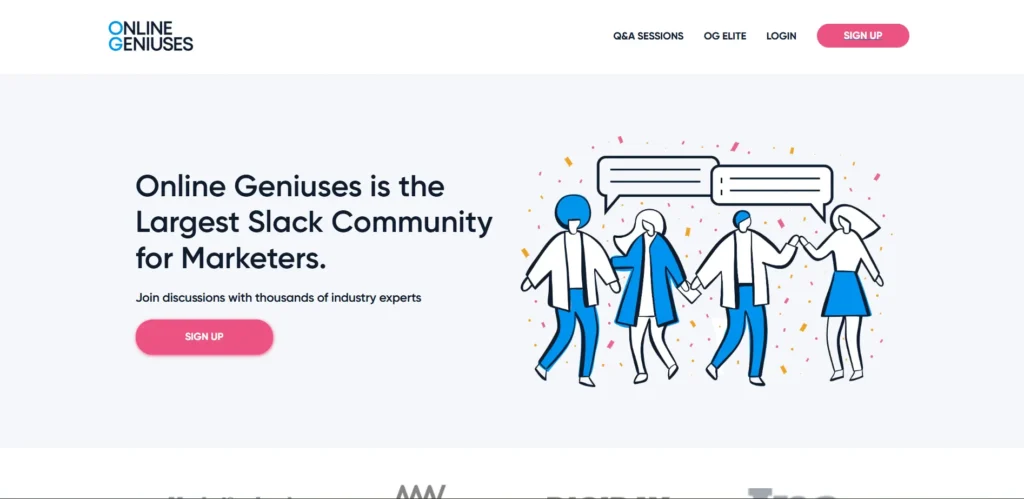
OnlineGeniuses is completely free with a large, active member base. People post link opportunities every single day: guest posts, link swaps, content collaborations. You’ll find channels for different tactics and industries.
✅ Best for: Agencies and in-house teams who want maximum exposure without paying. The trade-off? You’ll wade through more low-quality requests than paid communities.
Cost: Free
Members: 30,000+
Focus: Digital marketing with dedicated link building channels
How to join: They’ve got a public signup link. Verify your LinkedIn profile and you’re typically approved within 24 hours.
2. Traffic Think Tank
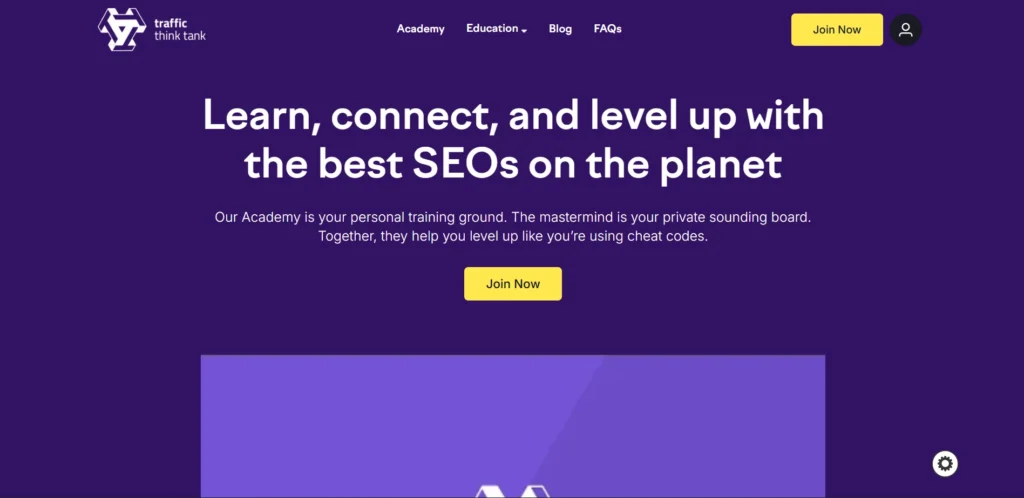
Traffic Think Tank is a premium paid community where you’re paying for verified members, mostly SEO pros and agency owners who manage real client campaigns.
You get weekly training on advanced link tactics, private channels split by industry, and quarterly meetups to meet people face-to-face.
✅ Best for: Established SEO professionals and agencies who’ll invest in vetted partners and ongoing education.
Cost: Paid community (premium tier)
Members: 600+ verified SEO pros
Focus: Advanced tactics and agency-level strategies
How to join: Visit their website to choose a membership package and get access to one of the best Slack communities.
3. Marketing Lad
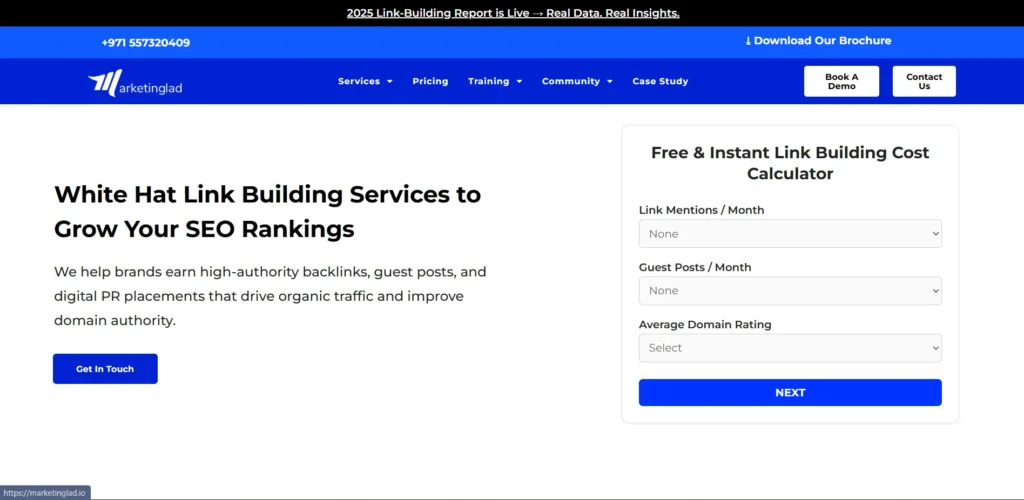
Marketing Lad serves as a professional network for digital marketers focused on building links and sharing insights. Members actively exchange experiences, strategies, and key lessons related to digital marketing and SEO, fostering learning and authority within the community.
Channels are organized by tactic: guest posting, broken link building, resource page outreach. They share proven templates and strategies.
Slack is accessible on multiple devices, allowing members to stay connected and engaged regardless of their location.
✅ Best for: Solo link builders and small agencies building repeatable processes at different budget levels.
Cost: Tiered pricing (budget to premium options)
Members: 700+ digital marketers
Focus: Growth tactics including backlink acquisition
How to join: To join, first pay the fee and complete the form on their website. Your application will be reviewed by Marketing Lad, and if approved you will receive an invitation to join.
4. Superpath
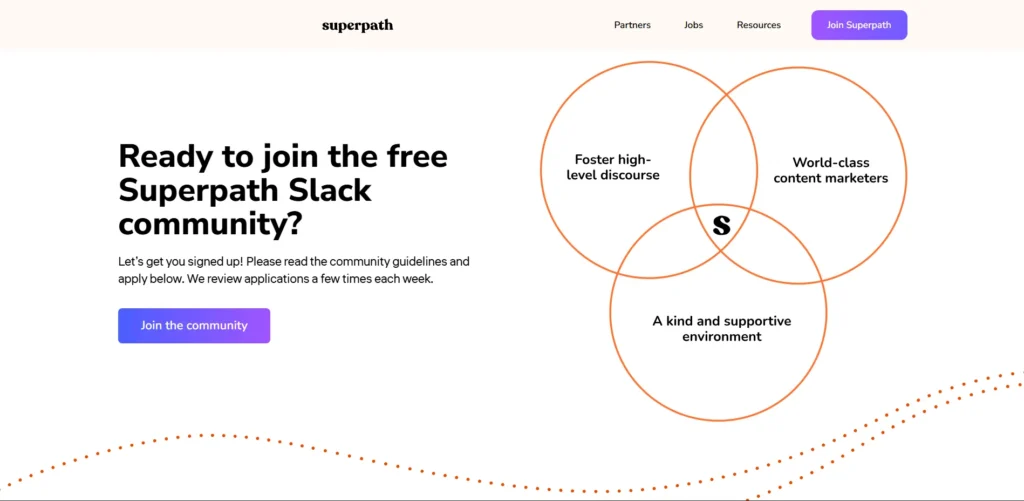
Superpath focuses on content marketing, making it ideal for earning backlinks through high-quality content rather than transactional exchanges.
It’s a great place for guest bloggers to find opportunities to contribute posts, exchange backlinks, and connect with industry experts.
Members share knowledge, discuss SEO strategies, and collaborate in real time.
Members can also share files within the community to support collaboration.
Members can share guest post opportunities on B2B sites, coordinate content swaps, and collaborate on research studies that naturally earn links.
✅ Best for: Content marketers who want backlinks that come from valuable contributions, not just link trades.
Cost: Free
Members: 8,000+ content marketers
Focus: Content partnerships and natural backlinks
How to join: Verify your LinkedIn during signup. They’ll approve you within 24 hours if your profile looks legit.
5. GrowthHackers Community
GrowthHackers offers free channels for general marketing chat, plus paid premium channels for link-building strategy and partner matching.
There are also dedicated channels for conversion rate optimization, where members are encouraged to share ideas and provide feedback on CRO strategies.
They are serious about metrics. You need to share your DR, monthly traffic, and niche when posting link requests.
Slack communities like GrowthHackers can help professionals build meaningful relationships that lead to long-term growth.
✅ Best for: Growth teams at startups and SaaS companies who want data transparency, not just “anyone want to trade links?” posts.
Cost: Free
Members: Varies by tier
Focus: Data-driven link building
How to join: To join, just complete the form on their website. Your application will be reviewed, and if approved you will receive an invitation to join.
6. Demand Curve
Demand Curve is exclusive. You need a referral from someone inside or you have to apply showing you work at a funded software company.
As part of a global community of SaaS marketers, Demand Curve features a dedicated channel for job opportunities.
Members collaborate on integration partnerships, co-marketing campaigns, and comparison content that gets natural backlinks between complementary tools.
Members can also chat with industry experts who help refine their link-building strategies.
✅ Best for: SaaS companies looking for strategic long-term partnerships, not quick transactional link swaps.
Cost: Invite-only (no membership fee)
Members: 200+ SaaS marketers
Focus: Integration partnerships and co-marketing
How to join: Get a referral from a current member, or apply with proof you work at a funded SaaS company. They’re selective.
7. The Backlinks Slack Group
The Backlinks Slack Group enables members to engage with website owners and industry experts from around the world.
Brainspin’s Slack Community appears to be aimed at helping everyone from business owners to SEO specialists find better ways to build links.
Their Slack Community allows you to ask marketing-related questions and identify opportunities to build links that drive traffic to your website.
This Slack Community offers something for everyone, from technical SEO discussions to social media marketing.
✅ Best for: Business owners, SEO specialists, and industry leaders interested in marketing industry-related topics.
Cost: Free
Members: Varies by tier
Focus: Data-driven link building
How to join: This is a free-to-join community, so anyone can become a member. Simply check the website and apply to join at no cost.
How to Evaluate Slack Communities Before Joining
Don’t just join the first community you find.
Check three things first: how fast people respond to link requests (good communities show replies within 2-6 hours), how many posts the link-exchange channel gets each month, and whether they actually verify members before letting them in.
Quality communities have daily activity, transparent vetting, and clear rules against spammy link farms.
Test response times by lurking for a few days. If you can access free channels or get trial access to paid communities, watch for 3-5 days.
See how fast members reply to link requests. Posts sitting there for 24+ hours with no responses? That’s a dead community.
Good ones usually show threaded replies within 2-6 hours on weekdays, with multiple people jumping in if the original poster’s niche doesn’t match.
Check channel activity by scrolling through the #link-exchange channel for the past 30 days.
Active communities post 15-30 collaboration requests per week, and 60-80% of those posts get at least three replies.
🚩 Red Flag: Link Sellers Disguised as Communities
Some “Slack communities” are actually link marketplaces where admins sell placement access. Warning signs: Admins constantly DM you with paid opportunities, channel descriptions mention “premium placements” or “expedited links,” or members need admin approval for every link request. These aren’t communities. They’re salespeople in disguise.
Quality indicators to look for:
✅ Admin responsiveness: Message the workspace admins with a question. Quality communities typically respond within 24-48 hours.
✅ Clear rules: Workspace guidelines should explicitly ban PBNs, link farms, and aggressive self-promotion.
✅ Member profiles: Click through 10-15 random member profiles. They should list actual websites with visible metrics.
✅ Success stories: Search for a #wins or #successes channel. Recent link placement confirmations show the community actually delivers.
✅ Backlinks from authoritative websites: Look for communities that encourage or facilitate obtaining backlinks from authoritative websites, as these high-quality links are crucial for improving SEO authority and rankings.
✅ Example of a private, exclusive Slack community: Link Building HQ is a well-known Slack community focused on link building strategies, such as link exchanges and guest posting, helping SEO professionals enhance their backlink profiles and stay updated on SEO trends.
Get Professional Backlinks 🚀
Ultimately, the key to sustainable SEO growth lies in creating high quality content that attracts links naturally through Slack communities, while using paid backlinks to supplement and accelerate your progress.
Ready to build high-authority backlinks without months of community networking?
If you’re looking for a professional link-building agency with experience in paying for links, as well as many other white hat backlink-building tactics, check out BuildingBacklinks.io.
Choose from niche edit packages, guest post packages, or custom campaigns mixing methods based on your niche and goals.
Frequently Asked Questions
1) Are Link Exchanges Safe for SEO?
Yes, if you keep it moderate and stick to relevant sites. Google penalizes excessive reciprocal linking, so limit exchanges to 10-15% of your total backlinks, use three-way swaps when possible, and make sure the links fit naturally in the content.
2) How Long Does It Take to Get Backlinks Through Slack Communities?
Plan on 2-4 weeks total: 7-10 days building credibility by helping people, 2-3 days negotiating the partnership, and 5-14 days for writing content and getting the link live. Paid communities with verified members can speed this up to 10-14 days. Free groups can take 4-6 weeks.
3) What’s the Difference Between Free and Paid Slack Communities for Link Building?
Free communities have 1,000-5,000 unverified members and 12-48 hour response times. Paid groups limit membership to 200-500 verified sites with DR 30+ minimum, deliver 2-6 hour responses, and filter out low-quality link requesters.
4) Do I Need to Pay for Slack Pro to Join Link Building Communities?
No. Free Slack accounts let you access all community features. The Pro subscription is only for people who organize workspaces. Some communities charge their own membership fees that have nothing to do with Slack’s pricing.