Last Updated on February 19, 2026 by Shubam

Table of Contents
Your website isn’t ranking, and it isn’t because your content is weak. While you adjust meta descriptions and fine-tune keywords, your competitors are building backlink profiles that earn Google’s trust more than yours.
A site’s backlink profile is the set of all inbound links to your site, and it plays a key role in SEO analysis and link-building efforts. That’s why they rank on page one while you’re stuck on page three and lose traffic to them.
Here’s the blunt truth: 97.8% of sites have zero backlinks, according to recent industry data. Google largely ignores them. If you’re in that group, no amount of on-page SEO will fix it.
Your backlink profile (every external link pointing to your site) is Google’s #1 ranking signal. It’s how search engines decide if you’re a trusted authority or just another website screaming into the void.
A strong backlink profile with high authority links from relevant sites is a key driver of your website’s rankings and website traffic. Companies that understand this allocate 28% of their SEO budgets to fixing their backlink profiles.
What separates winners from losers?
- ✅ 50+ unique websites linking to you (not just 50 links but 50 different domains)
- ✅ Average Domain Authority above 30 across those sites
- ✅ Less than 5% toxic spam links dragging you down
A strong backlink profile will have many organic, high-authority links that are relevant. Get this right, and you’ll leapfrog competitors who’ve been ranking for years. Get it wrong, and Google buries you on page 10 wherenobody clicks.
This guide shows you exactly how to analyze your current profile, identify what’s hurting you, and build the kind of backlink authority that actually moves rankings. No fluff. No theory. Just the tactics that work in 2026.
What Is a Backlink Profile?
Your backlink profile is made up of all inbound links and incoming links pointing to your website from anywhere on the internet: blog posts, forum comments, directories, social media, everywhere.
Google looks at each link and asks:
Is this website trustworthy?
Is the link relevant?
Does the linking site rank well?”
Think of your backlink profile as your website’s reputation. Links from many high-quality sources signal to Google that you are legitimate.
Sites with links from sketchy sources? Google doesn’t trust them. Links from websites in the same or a closely related niche are significantly more valuable for your site’s credibility, as they show relevance and authority within your industry.
The difference between ranking and not ranking often comes down to who links to you, not what’s on your pages. If you’re new to this concept, learning what link building is and why it matters will give you the foundation you need to improve your profile strategically.
💡 QUICK DEFINITION
Backlink Profile = The complete collection of all external links, including inbound links and incoming links, pointing to your website, measured by referring domains, link quality (DA/DR scores), anchor text distribution, and toxic link percentage.
A healthy link profile consists of relevant backlinks to your niche, product, or target audience. Think of it as your site’s “link reputation score” in Google’s eyes.
Why Backlink Profiles Matters?
High-quality backlinks serve as votes of confidence. When Forbes or TechCrunch links to you, they signal to Google “This site is worth reading.”
Important backlinks from reputable sources help your site rank higher in search engine results pages, increasing your visibility and authority. Google weighs these votes more heavily than almost anything else, even more than your own content.
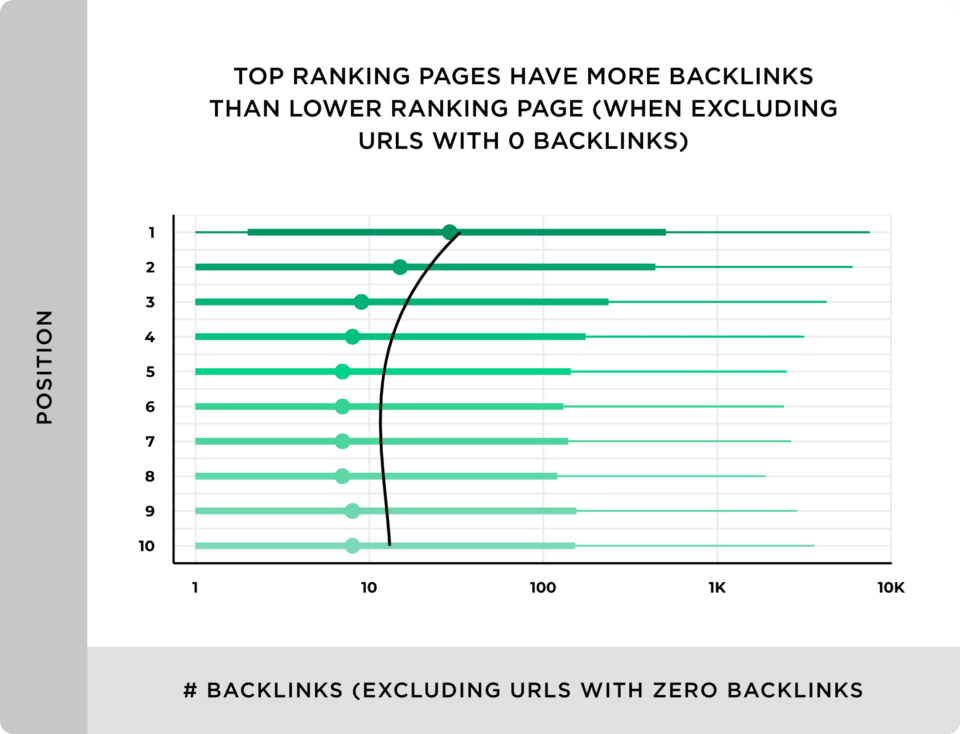
The data show it. Pages in the number one position gain 5-14% more backlinks each month than pages ranked lower. They are not ranking simply because they have more links; they continue to attract more links because they rank, creating a snowball effect.
Links from other sites can also bring referral traffic, which is sometimes more valuable than organic traffic. If you have weak backlinks, or none at all, you face an uphill battle that no amount of on-page SEO can fix.
What Is an Example of a Backlink?
Say TechCrunch writes an article about project management tools and includes a link: “Try project management software for remote teams.” That’s a backlink.
High quality links from authoritative sources like TechCrunch significantly boost your page authority, which is a key factor in improving your backlink profile and search engine rankings.
Why is it valuable? 💎 TechCrunch has a Domain Rating of 92. It gets millions of visitors. It’s relevant to the topic. That one link passes serious SEO power to your site.
Now compare that to a link from “best-directory-2015.info“ with Domain Rating 12 that nobody’s visited since Obama was president. Worthless. The link exists, but Google basically ignores it because the source has zero credibility.
Contextual links embedded within the body of high-quality articles carry more weight than links in footers or sidebars.
Types of Backlinks
Not all backlinks work the same way. Some pass SEO power, others don’t. Some look natural to Google, others scream “manipulation.”
Here’s what you need to know.
A natural backlink profile includes links from both high- and low-authority sites, reflecting the typical diversity found in organic link-building. However, you should avoid links from low quality sites, as these can harm your SEO and reduce the trustworthiness of your backlink profile.
Using a diverse range of anchor texts also helps create a more natural and less over-optimized profile, reducing the risk of penalties.
Dofollow vs Nofollow Links
Dofollow links pass SEO authority from the linking site to yours. When a DR 60 site gives you a dofollow link, they’re vouching for you with their own ranking power. Google counts these as votes.
Nofollow links have a tag that tells Google “don’t pass authority” to this site. They still send traffic and build brand awareness, but they don’t directly help your rankings. Social media links, blog comments, and most forum links are nofollow by default.
Which matters more?
Dofollow, obviously, but a natural profile has both. If 100% of your links are dofollow, Google suspects you’re gaming the system. A healthy mix (70-80% dofollow, 20-30% nofollow) looks organic.
When adding external links to guest posts or outreach content, including HTML attributes like rel=”noopener noreferrer” ensures link security and prevents unwanted data leakage while maintaining SEO integrity.
Editorial vs Manual Links
Editorial links are the holy grail. A journalist or blogger links to you because your content is actually useful. Nobody asked for it. Nobody paid for it. You earned it by creating something worth citing.
Example: TechCrunch writes about AI tools and naturally links to your product as one of the best options. That’s editorial.
Manual links are ones you actively build: guest posts, directory submissions, resource page outreach. They’re not bad, but they’re less powerful because you had to ask for them. Google can usually tell the difference based on context and anchor text patterns.
Natural vs Unnatural Links
Natural links happen organically. Someone finds your content, likes it, and links to it from their blog, article, or resource list. The anchor text varies. The sources are diverse. The velocity is gradual.
Unnatural links are built to manipulate rankings. They come from link farms, private blog networks, paid directories, or mass comment spam. Google’s algorithms spot these instantly: same anchor text across hundreds of sites, sudden spikes in velocity, links from irrelevant industries.
Unnatural links don’t just fail to help you. They actively hurt your rankings.
⚠️ DANGER ZONE: Unnatural Link Patterns
Google’s algorithm automatically detects these red flags:
- Same anchor text used on 50+ backlinks
- Getting 100 links in one week (then nothing for months)
- Links from 20+ sites all registered on the same day
- All backlinks from one IP address range
If you see these patterns, you’re likely getting penalized even if you didn’t build those links yourself.
Contextual vs Sidebar/Footer Links
Contextual links appear inside the main content of an article. They’re surrounded by relevant text and flow naturally with the topic. These pass the most authority because they signal genuine endorsement.
Sidebar and footer links are sitewide. They appear on every page of a website. Even if they’re dofollow, they’re worth way less because Google knows they weren’t earned per article. One contextual link beats fifty footer links.
🚩 Red flag: sitewide links from sites you don’t own are usually a sign of low-quality exchanges.
Bottom line: Focus on earning dofollow, editorial, contextual links from relevant sites. That’s the formula that works. Everything else is noise.
Backlink Profile Components and Metrics
These metrics tell you if your backlink profile is strong or weak: referring domains, domain authority scores, anchor text ratios, dofollow vs nofollow split, toxic link percentage, and how fast you’re getting new links.
The total number of referring domains is a better SEO metric than the total link count when analyzing a backlink profile, as it shows the diversity and authority of sites linking to you.
Here’s what matters most: unique referring domains. Getting 100 links from one website? That barely helps.
Getting one link each from 100 different websites? That’s powerful. Google wants to see lots of different sites vouching for you, not one site linking to you over and over.
Domain Authority (DA from Moz) and Domain Rating (DR from Ahrefs) are like credit scores for websites. They run 0-100. A link from a DR 60 site beats ten links from DR 15 sites. These scores predict how much SEO juice a link passes to you.
What Is an Anchor Text?
Anchor text is the clickable words in a link.
Natural profiles mix it up:
- 20-30% use your brand name
- 5-10% use exact match keywords (like “link building services”)
- 20-25% use partial match variations (like “learn about link building”)
- 30-40% use generic phrases like “click here” or just show your naked URL.
When more than 10% of your anchors are exact match keyword-stuffed, Google’s Penguin algorithm smells manipulation and tanks rankings.
A poor quality backlink profile often has a high proportion of poor quality links, generic anchor texts, and overuse of naked URLs, which can signal manipulative or spammy link-building practices.
Link velocity measures how fast you’re getting new backlinks. Gradual growth? Natural.
Suddenly getting 50 new domains in a week? Looks like you bought links, and Google investigates.
| Metric | Healthy Benchmark | Red Flag Threshold |
| Referring Domains | 50+ unique domains | Under 20 domains |
| Average Domain Authority | DA 30+ average | DA under 20 average |
| Toxic Link Percentage | Under 5% | Above 15% |
| Branded Anchor Text | 20-30% | Under 10% |
| Exact Match Anchors | 5-10% | Above 15% |
| Partial Match Anchors | 20-25% | Above 40% |
| Generic/Naked URL Anchors | 30-40% | Under 15% |
| Link Velocity | 5-10 new domains/month | 50+ domains in one week |
💎 PRO TIP: The 50-30-10 Rule
For a natural-looking backlink profile, aim for:
- 50+ referring domains (not total links but unique domains matter)
- DA 30+ average across linking sites
- 5-10% exact match, 20-25% partial match anchor text
- 10-15% exact-match keywords
This ratio keeps you under Google’s manipulation radar while maximizing ranking power. Check your profile monthly to maintain these benchmarks. Using popular SEO tools can help you analyze your link profile and identify areas for improvement.
How to Analyze Your Backlink Profile in 5 Steps
Ready to see what’s actually in your backlink profile? Here’s how to dig in without getting overwhelmed.
#️⃣ Step 1: Export your backlink data
Log into Google Search Console and click the “Links” section on the left sidebar. Download the “Top linking sites” report. This shows which domains link to you and how many times. It’s free but pretty basic.
For deeper analysis, use Ahrefs Site Explorer or Semrush Backlink Analytics. These tools show domain ratings, anchor text breakdowns, and spam scores. They’re paid but worth it if you’re serious about SEO.
Using a backlink checker is essential for analyzing and monitoring your backlink profile, as it helps assess referring domains, link quality, and your overall backlink strategy. If you need help choosing the right tools, check out our guide on link building software to compare features and pricing.
#️⃣ Step 2: Identify toxic links
In Semrush or Ahrefs, filter by spam score. Flag anything above 60%. These are your problem links.
Look for patterns: sitewide footer links, links from weird foreign sites in languages you don’t target, or links from known private blog networks.
Red flags are easy to spot once you know what to look for.
- If a site exists only to sell links? Toxic.
- If it’s got gibberish content or unrelated topics? Toxic.
- If you didn’t earn it naturally? Probably toxic.
#️⃣ Step 3: Analyze anchor text ratios
Calculate what percentage of your backlinks use branded anchors vs exact match keywords vs partial match vs generic phrases.
If your exact match anchors (like “best CRM software”) are over 10%, you’re at risk. Google’s Penguin algorithm will penalize over-optimization, even if you didn’t create those links yourself.
Use a spreadsheet or let your SEO tool calculate it. The numbers don’t lie.
#️⃣ Step 4: Benchmark against competitors
Type your top 3 competitors into Ahrefs or Semrush. Compare their referring domains, average DA, and link growth speed to yours.
Spot the gap? That’s what you need to close.
If they’ve got 200 referring domains and you’ve got 30, you now know why they outrank you. At least the problem is clear.
Once you’ve identified the gap, you can check where your competitors rank on Google to understand which keywords they’re dominating and reverse-engineer their strategy.
Analyzing competitors’ backlinks helps you understand their backlink strategy and identify opportunities to improve your own backlink profile.
#️⃣ Step 5: Create a disavow file
Make a text file listing toxic links you can’t manually remove. Format it according to Google’s specs, then upload it through Google Search Console’s Disavow Tool. But be careful. Disavowing good links by mistake will hurt you.
Only use this as a last resort after you’ve tried contacting webmasters to remove bad links. Google themselves say you shouldn’t touch the disavow tool unless you’ve got a serious spam problem.
Using a combination of free and paid tools provides the most comprehensive backlink data. Tools like Moz’s Link Intersect and Semrush’s competitor analysis can identify gaps in backlinks compared to competitors, helping you refine your backlink strategy and stay competitive.
🚀 QUICK WIN: Your First Audit (15 Minutes)
Don’t have paid tools? Start here:
- Open Google Search Console (free)
- Click “Links” and download “Top linking sites”
- Flag any sites you don’t recognize
- Google those domain names. If they’re spammy, add to disavow list
- Count your unique referring domains
If you have under 30 domains, focus on earning 5 new quality links per month. If you have 30-100, focus on cleaning toxic links first. Conducting a full backlink audit at least monthly helps detect spam attacks or loss of high-value links.
Backlink Quality Analysis
Not all backlinks help your site. Some can harm your rankings, even if you did not request them. This is why audits matter. Low-quality backlinks, those that are unnatural, spammy, or irrelevant, can damage your site’s authority and rankings.
Google’s spam update in March 2024 tightened rules on manipulative links. They targeted expired domains repurposed for spam, mass-published content with backlinks, and hidden link placement on otherwise legitimate sites. If your profile contains these, you are taking a risk.
Here is the scary part: you do not need a manual penalty to suffer. Sites with 40% spam links tend to rank worse than rivals with 100 clean links. Google’s algorithm will reduce their visibility automatically.
When you analyze quality, ask yourself:
- Would my target customer actually visit the linking site?
- Could this link bring referral traffic to my website?
- Is the content relevant to my industry, or is it random?
- Is the link in actual article content, or buried in a footer nobody reads?
- Could I easily get this same link by paying someone or submitting to a directory?
If you answered “no, no, footer, yes,” that link is probably hurting you.
What makes a link toxic?
Link velocity measures how quickly you acquire new backlinks over time. Building 50 links in one week looks suspicious to Google, while gaining 5-7 quality links monthly appears natural. Maintain consistent, gradual growth because sudden spikes trigger manual reviews and algorithmic filters.
Semrush recommends only disavowing links that clearly violate Google’s guidelines: purchased links, link exchanges for the sake of SEO, or participation in link schemes. If you’re not sure, leave it alone. Disavowing the wrong links does more damage than keeping sketchy ones.
✅ ❌ REAL EXAMPLE: Good vs Bad Backlink Profile
Bad Profile (Gets Penalized):
- 500 total backlinks from only 15 domains
- 80% exact match anchors like “buy cheap shoes online”
- Links from 200+ foreign language spam sites
- All acquired in 2 weeks
Good Profile (Ranks #1):
- 150 backlinks from 120 unique domains
- 25% branded, 8% exact match, 22% partial match, 35% generic anchors
- Links from Forbes (DA 94), industry blogs (DA 45-60), and relevant directories
- Grown steadily over 8 months
The bad profile has 3x more links but ranks on page 5. The good profile has fewer links but dominates page 1. Quality beats quantity.
How to Improve Your Backlink Profile?
You’ve analyzed your profile. Now let’s fix it and make it stronger. 💪
The best backlinks come from creating stuff worth linking to: original research, industry surveys, comprehensive guides, or free tools that solve real problems.
Companies that blog consistently get 97% more backlinks than those that don’t. That’s not a typo. Ninety-seven percent. 🚀
Joining active Slack Communities for Link-Building can help you connect with other SEO professionals who share outreach opportunities, collaborate on campaigns, and exchange high-quality link prospects.
Broken link building is one of the smartest tactics nobody uses enough. Find dead links on relevant websites (use Ahrefs or Screaming Frog), then email the site owner:
“Hey, noticed this link on your page is broken. 🔗 I’ve got similar content here that might work as a replacement.”
It works because you’re genuinely helping them fix a bad user experience. When you do outreach, personalization matters.
Generic templates get an 8.5% response rate. Personalized emails boost that by 33%. Don’t just copy-paste.
Mention something specific about their site. Explain why your content actually helps their readers.
🎯 Here’s your action plan:
Google’s algorithm automatically detects these red flags:
- Audit quarterly 🗓️ – Every 3 months, pull your backlinks and disavow spam with a 60%+ score through Google Search Console
- Target DA 50+ sites 🎯 – One guest post on a DA 60 publication beats ten links from DA 15 blogs. Quality over quantity isn’t a cliché. It’s math.
- Create linkable assets 📊 – Original data and research naturally attract editorial links without you begging for them
- Find broken links 🔧 – Use tools to spot dead links on relevant sites, then offer replacements
- Steal competitor backlinks 🕵️ – Use Ahrefs to see where your competitors get links, then pitch those same publications
Digital PR works best according to 89.6% of link builders. Send newsworthy stories to journalists. Offer expert quotes. Release data that’s actually interesting. This earns you editorial mentions from real publications, not spammy directories.
Guest posting can work, but be picky. A whopping 85.3% of sites accepting guest posts are low quality (under DA 40 with barely any traffic). Vet every opportunity. A bad guest post wastes your time and doesn’t move the needle.
If building links manually feels overwhelming, some businesses explore purchasing high-quality backlinks from vetted providers. While this strategy carries risks and should never replace organic link building, understanding which vendors prioritize quality over quantity can prevent you from wasting money on link farms that trigger penalties.
The key distinction: reputable providers place your links on real, relevant websites with genuine traffic and editorial standards, not on PBNs or spam sites that harm more than help.
That said, earning links organically through content marketing and digital PR remains the safest, most sustainable approach for long-term SEO success. Purchased links should only supplement, never replace, a solid organic link building foundation.
Get Professional Backlinks 🚀
Building a strong backlink profile takes time and strategic effort. The best approach combines content that earns natural links with quality placements that accelerate your growth.
Ready to strengthen your backlink profile without months of manual outreach?
BuildingBacklinks.io specializes in high-authority link placements that improve your domain metrics without triggering spam filters. Every placement is vetted for domain authority, organic traffic, and topical relevance to keep your profile clean and effective.
Choose from niche edit packages, guest post placements, or custom profile-building campaigns tailored to your industry and backlink gaps.
Frequently Asked Questions
1) How Many Backlinks Do I Need to Rank?
Most sites need 50-100 homepage backlinks for competitive keywords, though it varies by industry and search volume.
2) Can Bad Backlinks Hurt My SEO?
Yes. Toxic backlinks from spam sites trigger ranking drops, traffic losses, or even complete de-indexing from Google.
3) Do Backlinks Still Matter in 2026?
Absolutely. Backlinks remain Google’s top ranking factor, though quality and relevance matter more than raw numbers now.
4) How Do Backlink Profiles Affect AI Overview Rankings?
Sites with strong backlink profiles appear more often in AI Overviews because Google uses link authority to judge source credibility.