
 ChatGPT
AI Mode
ChatGPT
AI Mode
 Claude
Perplexity
Grok
Claude
Perplexity
Grok
Last Updated on March 21, 2026 by Henry

Table of Contents
Link building is how you get other websites to link to yours. Each link acts as a trust signal to search engines, helping your pages rank higher in search results.
Using tools like Ahref and SEMrush can help guide your link building process to acquire high quality backlinks that boost your SEO performance. Most businesses miss this opportunity completely.
Research shows the majority of web pages have few or no backlinks, which means your competitors likely aren’t doing this systematically. Meanwhile, 61% of marketers who understand link building are increasing their budgets right now.
A strong backlink profile can significantly improve your website’s position in organic search results. In this guide you’ll learn how to identify quality links, avoid penalties, and build a backlink profile that outranks competitors.
Introduction to Link Building
Link building is a crucial component of search engine optimization (SEO) that can make or break your website’s visibility online. At its core, link building is the process of acquiring high quality links from other websites to your own.
These links act as endorsements, helping search engines understand the authority and relevance of your site. When reputable sites link to your content, it signals to search engines that your website is trustworthy and valuable, which can lead to higher search engine rankings and more traffic.
Effective link building efforts go beyond simply collecting as many links as possible. Instead, the focus should be on earning links from reputable sites within your industry.
This approach not only helps search engines understand the context and credibility of your website, but also enhances your online reputation and drives targeted visitors to your pages.
By prioritizing high quality links and building genuine relationships with other websites, you set the foundation for long-term SEO success and increased visibility in search results.
How Link Building Works?
Link building is everything you do to get other websites to link to yours.
This includes creating content worth linking to, reaching out to site owners, and building real relationships, and employing various strategies to build links that enhance your site’s authority.
The links themselves are called backlinks. Link building is the work you put in to earn those backlinks.
Effective link building strategies help generate links from sites linking to your website, especially from relevant industry sites, which increases your site’s credibility and visibility.
🔗 What Is a Backlink?
A backlink (also called an “inbound link” or “incoming link”) is a hyperlink from one website to another.
When Site A links to Site B, Site B has earned a backlink from Site A.
Search engines treat these links as votes that signal trust and authority.
Search engines see these links as votes of confidence. When authoritative websites link to your content, they’re vouching for its accuracy and value. The more quality votes you get, the higher Google ranks your pages.
Google’s March 2024 core algorithm update made this even more important. The algorithm now rewards genuinely helpful content and reduces visibility for low-quality sites. You can’t fake your way through link building anymore.
✅ Quick Clarification
Link building focuses on external links, which are hyperlinks from other websites pointing to yours.
This differs from internal links, which connect pages within your own website.
Both matter for SEO, but link building specifically refers to earning backlinks from external sources.
Internal linking is a separate on-page SEO tactic that you control completely.
What Does a Backlink Look Like?
In HTML, a backlink looks like this: <a href=”https://yoursite.com”>anchor text</a>.
When someone clicks the anchor text on a site, visitors are taken to your site. The anchor text (the clickable words) and the destination URL together determine how much SEO value the link passes.
Descriptive, natural-sounding anchor text helps search engines understand the content of the linked page, improving usability and ranking.
Why Not Wait for Organic Links?
Waiting for natural backlinks only works if you are already famous or your content goes viral. Most businesses in established markets face a tough reality: competitors with strong backlink profiles will continue to outrank you unless you take action.
To attract links from other websites, it is essential to create valuable, shareable content such as original research, free tools, or newsworthy resources, rather than relying solely on passive discovery.
Many businesses consider purchasing backlinks as part of their link building strategy to accelerate growth and gain high-quality backlinks from reputable sources.
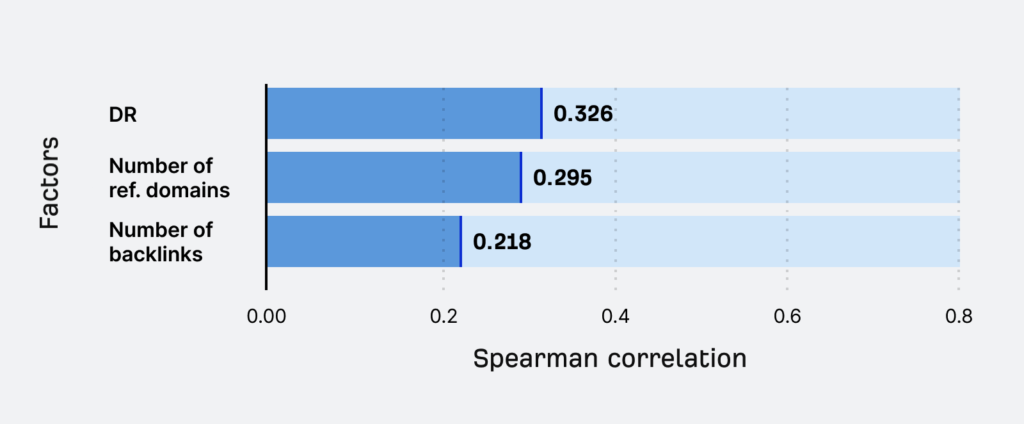
Research shows that pages ranking in the top positions have significantly more backlinks than pages in lower positions. You will not close that gap by hoping people discover your content.
Strategic link building shortens the timeline from years of waiting to months of measurable progress.
Types of Link Building
You can earn backlinks in three ways. Each type carries a different weight with search engines and requires a different amount of effort.
- Natural or editorial links: These occur when other sites link to your content without asking. They are highly valuable. A site owner links to you because your content helps their audience. For example, journalists citing your research or bloggers referencing your tutorial.
- Manual or outreach links: These come from proactive outreach. You identify relevant sites, create collaboration opportunities, and request links through personalized outreach. This includes guest posting, replacing broken links, and PR campaigns, as well as guest blogging on relevant industry sites to gain high-quality backlinks. These links require more effort, but they remain ethical when you offer real value.
- Self-created links: This means adding your URL to directories, forums, or blog comments. Search engines do not trust these because anyone can add them without approval. Many self-created tactics violate Google’s quality guidelines.
Using private blog networks to manipulate rankings is a black-hat tactic that can lead to serious penalties. Focus your efforts on natural and manual link building. Skip the shortcuts that waste time.
Why Link Building Matters?
Search engines use backlinks as trust signals when deciding which pages deserve top rankings. Links from authoritative, relevant sites in your industry count way more than links from random, low-quality sources.
Here’s what good link building does for you:
- Better search rankings: More valuable backlinks from trusted, relevant sites mean higher positions for your target keywords. Research shows top-ranking pages have substantially more backlinks than lower positions
- More organic traffic: Higher rankings for more search terms bring more visitors to your site
- Stronger domain authority: Every quality link you earn makes your whole site stronger, not just the page that got the link
- Brand credibility: Getting featured on respected industry sites exposes your brand to new audiences who already trust those sources
Real results happen consistently: Businesses that acquire high-quality backlinks from authoritative industry blogs typically see significant increases in organic traffic for competitive keywords within months.
One link from a respected publication beats dozens of links from low-quality directories.
What Makes a Quality Link?
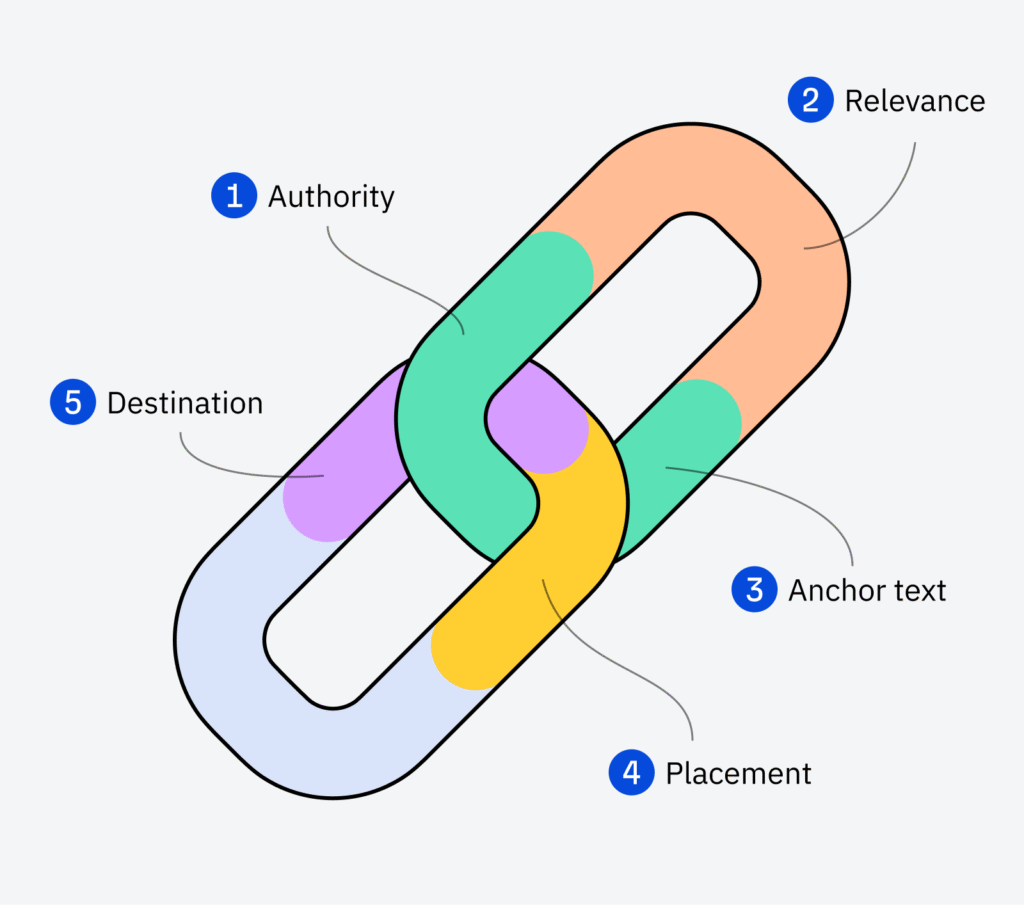
Quality comes down to the linking site’s authority, how much traffic they get, and where they place your link .
Check these signals:
- Domain Authority (DA):Moz’s proprietary metric (0-100 scale) that predicts a site’s ranking potential based on its own backlink profile and evaluates the strength of entire websites, not just individual pages.
- Industry relevance: Links from sites covering your industry matter more than unrelated sources. High authority links from high quality websites in your niche are especially valuable.
- Link placement: Links in the main article content count more than sidebar or footer links
- Traffic levels: Sites getting lots of organic traffic usually have higher editorial standards
- Nofollow tags: Links marked “nofollow” tell search engines not to pass ranking power, but can still send referral traffic
💡 Pro Tip: Quick Link Quality Check
Before pursuing a backlink, check these three things:
- Does the site get organic traffic? (Use tools like Ahrefs or SEMrush to verify)
- Is their content regularly updated? (Check publish dates; active sites are better)
- Do they link to quality sites? (Check their outbound links for credibility)
If yes to all three, it’s worth your outreach effort. If not two or more, skip it.
Link Building Strategies
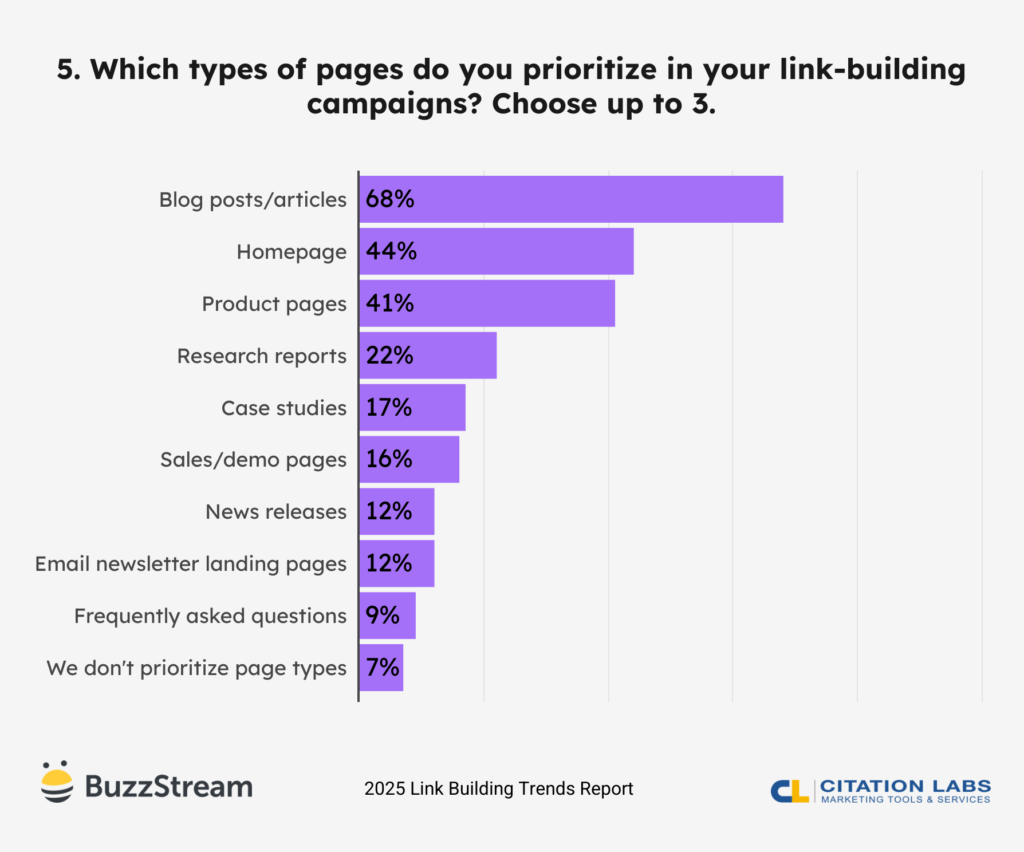
Good link building means creating stuff people want to link to, not using shady tricks. Content marketing is a core part of SEO link building, as it focuses on producing valuable resources that naturally earn backlinks.
Research shows comprehensive, long-form content attracts substantially more backlinks than brief articles.
✅ Pre-Launch Checklist: Is Your Site Ready?
Before investing in link building, make sure your site is ready.
- Your site has quality content worth linking to
- Technical SEO is solid (fast load times, mobile-friendly)
- You have 20+ high-quality blog posts or resources specifically designed to attract backlinks and support your content marketing efforts
- Your site is at least 3 months old
- You’ve fixed broken links and 404 errors
Link building amplifies good sites. It cannot fix fundamental problems.
Here’s what works in 2026:
- Original research and data: Survey 100 customers about their biggest problems. Publish the results as a free PDF with charts. Pitch your findings to industry newsletters. Your data becomes a resource that other sites cite when writing about the topic.
- Comprehensive guides: Create step-by-step tutorials with screenshots and templates that solve specific problems. Example: A project management company publishes “The Complete Remote Team Onboarding Checklist.” HR blogs link to it when writing about remote work.
- Broken link replacement: Use backlink analysis tools to find dead links on competitor resource pages. Recreate the content better. Email site owners and offer your working link as the replacement.
- Guest posting: Write expert articles for authoritative sites in your field with natural links back to your resources. Example: A cybersecurity company contributes technical analysis to industry publications like Dark Reading or SC Magazine. They get byline links with high Domain Authority.
- Digital PR campaigns: Release research about industry trends that journalists cite. Example: Publishing salary survey data that business reporters reference in compensation articles, earning links from news outlets.
Most SEO professionals see results within 3 to 6 months with consistent effort . Competitive industries typically require 6 to 12 months .
Another option is to network in online slack communities dedicated to link building and digital marketing.
These peer groups offer opportunities to exchange tips, collaborate on campaigns, and sometimes even discover link placement partnerships with like-minded professionals.
⏱️ Realistic Timeline: What to Expect
Months 1–2: Research prospects, create linkable assets, and begin outreach.
Months 3–4: First backlinks appear, but ranking movement is usually minimal.
Months 5–6: Traffic may increase 15–30% and some keywords begin moving up.
Months 7–12: The compound effect kicks in and traffic can jump 40–60% or more.
Patience matters. Links typically take 4–6 weeks to impact rankings after acquisition.
Link Building Tools: Free Tools and Resources
Launching a successful link building campaign does not have to break the bank. There are many free tools and resources that can help you streamline your efforts and uncover new opportunities.
Google Search Console is essential for monitoring your site’s performance and for identifying which pages attract links.Google Keyword Planner can help you find relevant keywords and topics that are likely to earn links from other sites.
For deeper insights into your backlink profile and to study your competitors, free versions of tools like Ahrefs and Moz offer useful data on current links and potential prospects.
For outreach, tools such as Hunter.io and VoilaNorbert make it easy to find contact details for site owners, so you can reach the right people during your campaign.
By using these free tools, you can refine your link building plans, track your progress, and maximize the impact of your efforts without a large investment.
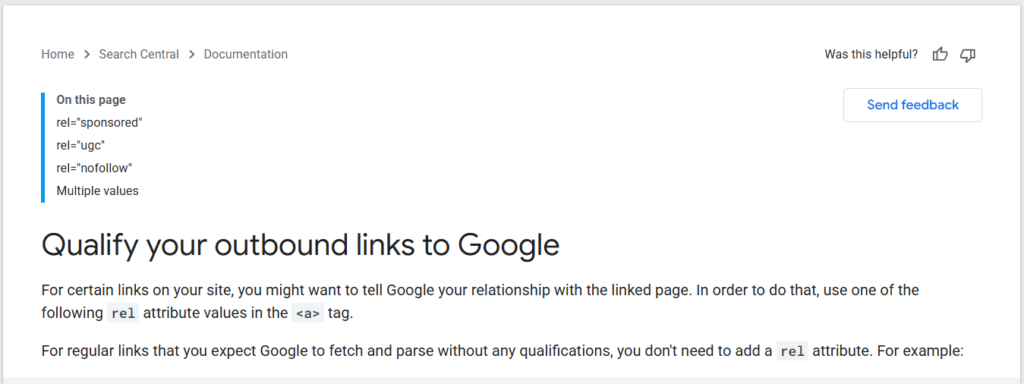
For webmasters concerned with safe linking practices, it’s crucial to understand why adding attributes like noopener noreferrer to outbound links prevents security risks such as tab-napping and protects user privacy.
You can streamline your workflow by using link building software’s that help you spot prospects and track progress more efficiently.
Avoiding Manipulative Link Building
Black hat link building uses shady tricks that violate Google’s spam policies. This includes buying backlinks from link marketplaces, trading links just to manipulate rankings, and using automated software.
These manipulative methods often result in low-quality inbound links that can damage your site’s reputation and rankings. These tactics can get your site penalized or removed from search results.
Don’t do these things:
❌ Buy backlinks from vendors or link farms
❌ Trade links with other sites mainly to manipulate rankings
❌ Use automated programs to spam links in blog comments or forums
❌ Add links to low-quality article directories
❌ Create fake satellite sites just to link back to your main domain
The Paid Link Reality
Google can tell the difference between honest sponsored content and sneaky manipulation.
Paid placements marked with“sponsored” or “nofollow” attributes are fine when they provide real editorial value. Buying links to pass ranking power without disclosure breaks the rules.
✅ The key is transparency. Legitimate publications accept paid contributions clearly labeled as sponsored. Link schemes try to disguise paid placements as organic endorsements.
✅ Focus on earning editorial links through merit. Or use clearly disclosed sponsored opportunities in reputable publications.
Is link building illegal?
No, link building isn’t illegal. But manipulative tactics like buying undisclosed paid links violate Google’s webmaster guidelines.
You can face algorithmic penalties that tank your rankings. The practice is perfectly legitimate when you earn links by creating valuable content and building genuine relationships.
Measuring Success: Tracking Link Building
Tracking the results of your link building campaign is essential for understanding what’s working and where you can improve. A useful next step after building links is to regularly check your website’s Google ranking to see how your efforts translate into improved visibility.
Start by using Google Analytics to monitor changes in your website’s traffic, user engagement, and referral sources. Keep an eye on your keyword rankings and search engine visibility to see how your link building efforts are impacting your position in search results.
Tools like Ahrefs and Moz provide detailed reports on your backlink profile, showing you which links you’ve gained, the quality of those links, and how your overall link growth compares to competitors.
By regularly reviewing these metrics, you can identify successful link building strategies, spot areas that need attention, and adjust your campaign for even better results.
Consistent tracking ensures your link building efforts are driving real value and helping you achieve your SEO goals.
Get Professional Backlinks 🔗
Ready to build high-authority backlinks without manual work?
Our link building packages handle every step: identifying prospects, managing outreach, coordinating placements, and tracking results.
Each package targets sites with verified Domain Authority scores, real traffic, and relevance to your industry. View our link building packages to increase your rankings with white-hat strategies that align with Google’s rules.
Frequently Asked Questions
1) How Long Does It Take to See Results From Link Building?
Expect 3 to 6 months for ranking improvements with consistent effort. Competitive industries take 6 to 12 months. Your timeline depends on current authority, keyword competition, and link quality.
2) Does Link Building Still Work in 2026?
Absolutely. Google’s March 2024 update reinforced backlinks as a core ranking factor . 61% of marketers increased budgets in 2026 because it delivers measurable results.
3) What Is the Difference Between Dofollow and Nofollow Links?
Dofollow links pass ranking power to your site. Nofollow links block ranking value transfer. Both drive traffic, but only dofollow links boost SEO metrics.
4) How Many Backlinks Do I Need to Rank on Google?
It depends on competition. Low-competition keywords need 5 to 10 quality links. Competitive terms need dozens to hundreds. One authoritative link beats 50 low-quality links. Focus on quality over quantity.